Worm Castings for Chicago, Illinois Gardens
Searching for worm castings chicago gardeners can buy usually means ordering online—not finding a farm inside the city limits. Northern Illinois Worm Farm is in Dover, Illinois. Chicago gardeners place orders on our site for shipment to apartments, bungalows, and yards across the metro area, with shipping included on every listed bag size we sell.
Short-season beds, sticky clay soils, and balcony containers shape how castings get used here through the growing season. They are a practical organic amendment for spring and fall soil prep and for potting mixes that need better structure. They are not a guarantee of bigger harvests, fewer pests, or disease-free lawns and gardens.
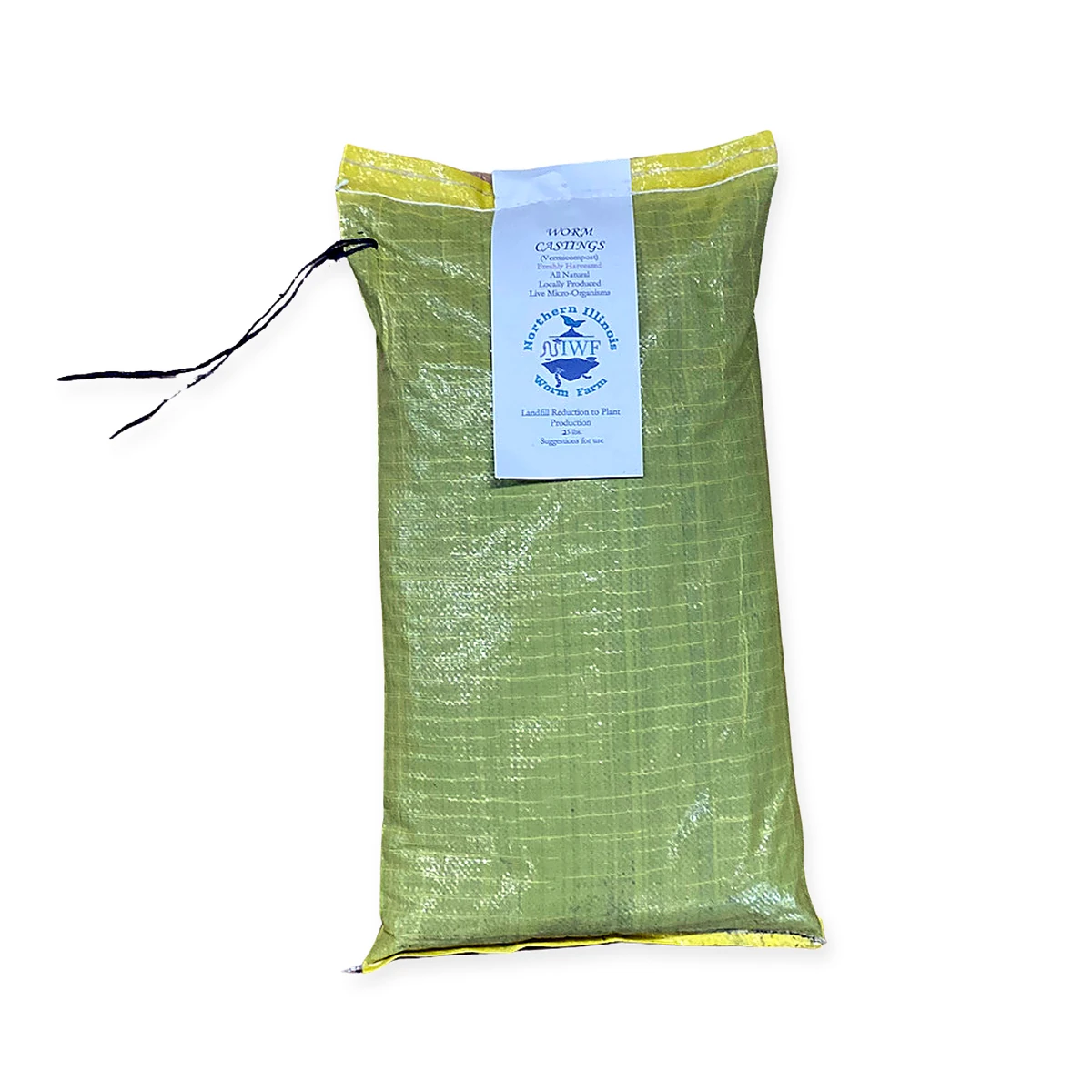
Shop worm castings for Chicago
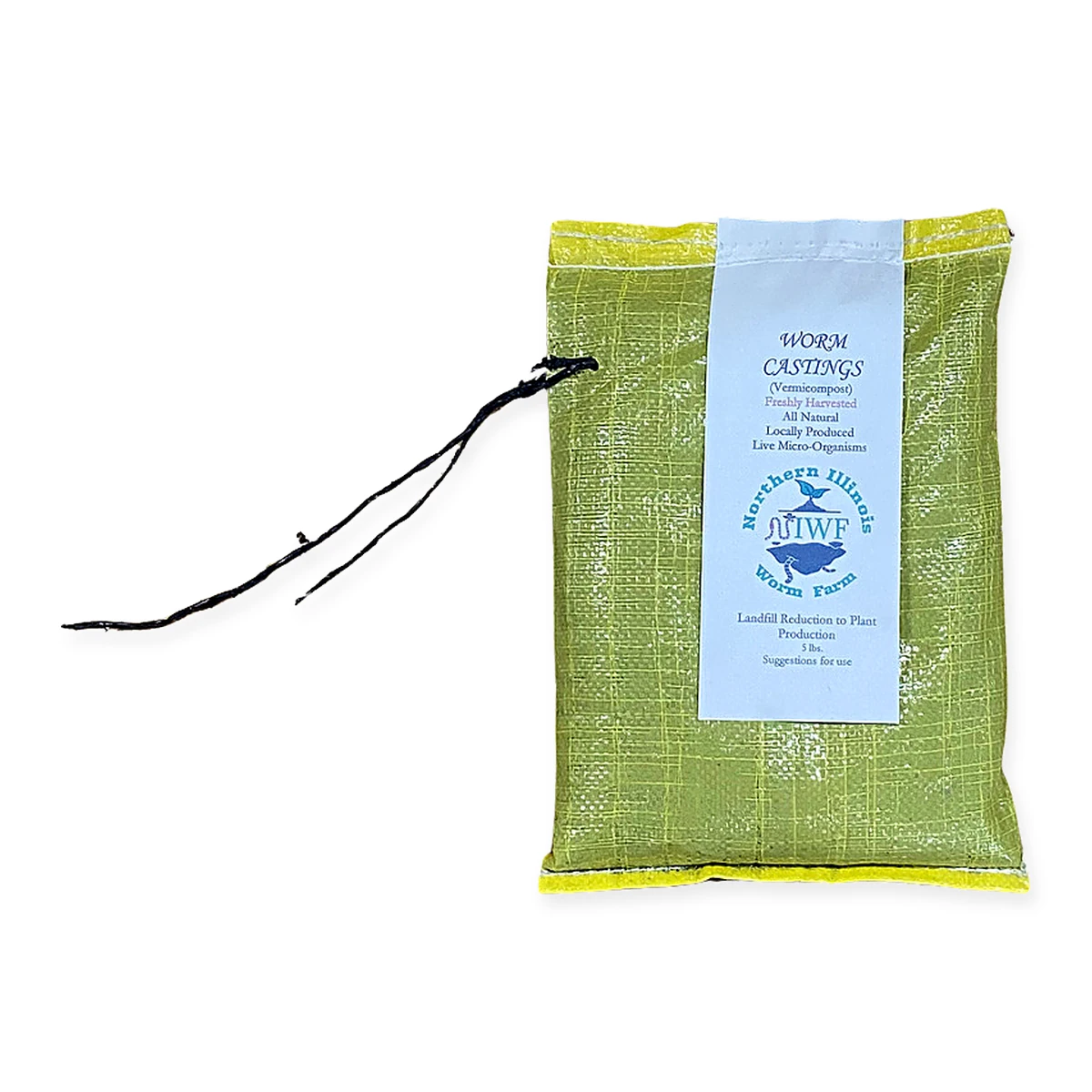
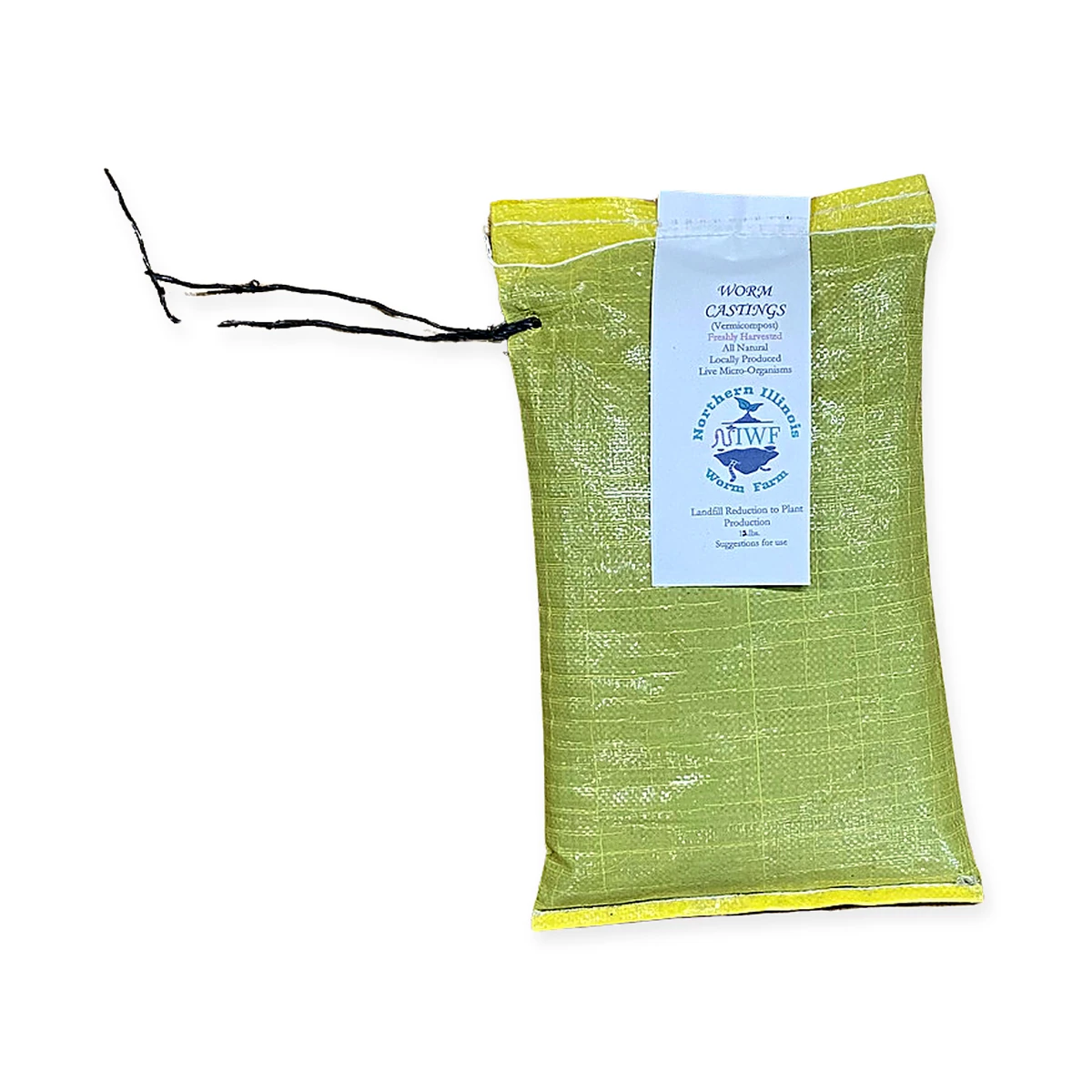
These are the bag sizes on the site today. Prices come from the store, and shipping is included.
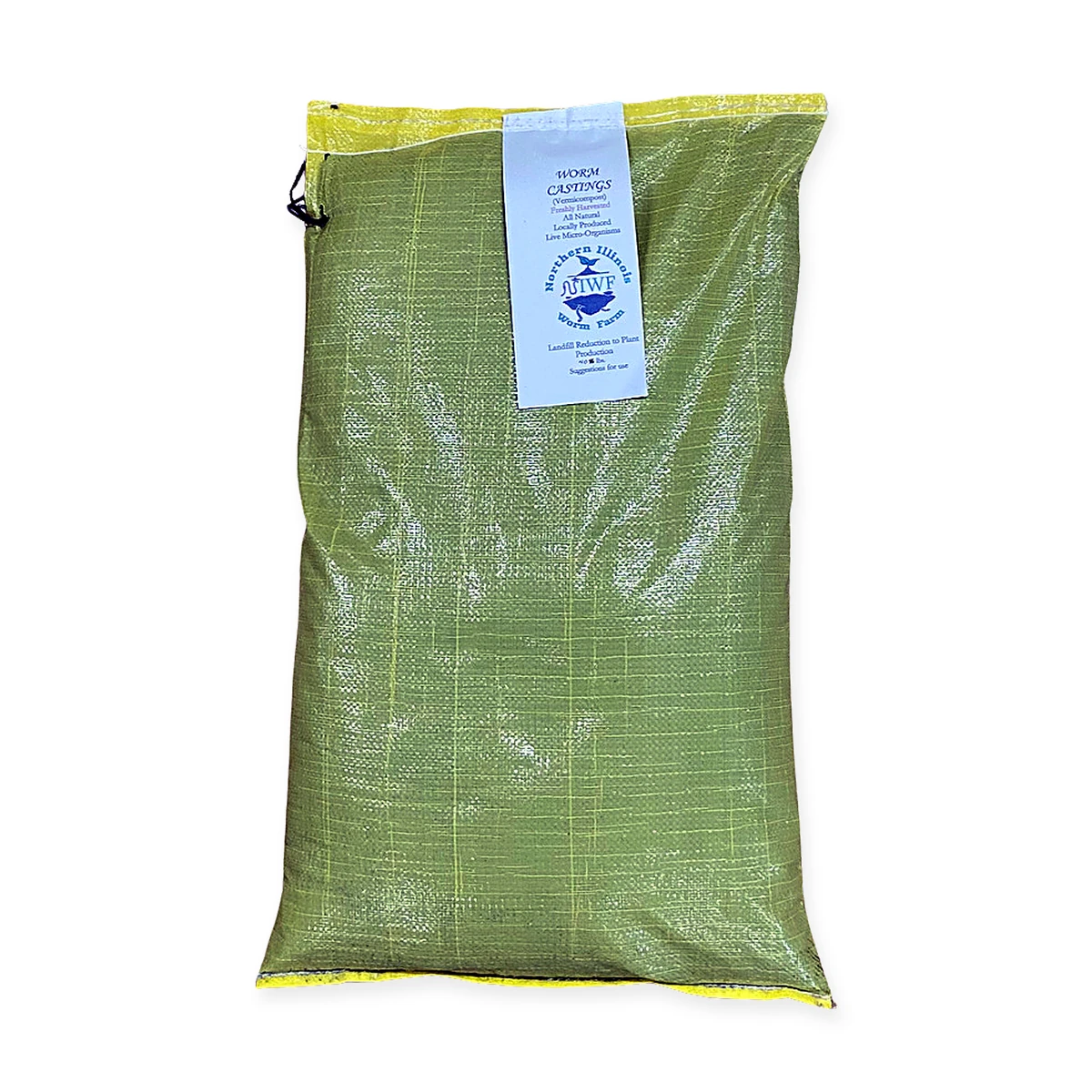
The largest bag for a bigger garden or a full season of beds.
Chicago timing, clay soil, and small-space pots
The Illinois State Climatologist notes that most of the Chicagoland area falls in USDA Plant Hardiness Zone 6a on the 2023 map, helped by Lake Michigan and urban warming, while much of the rest of northern Illinois sits in zone 5b. Always check your own ZIP code on the USDA map, because neighborhoods differ.
University of Illinois Extension materials for Cook County describe roughly 170 frost-free days, often framed between mid-May and early October, with frost possible outside those averages. Near the lake, spring frost can arrive a bit earlier and fall freeze a bit later than farther inland. Plan cool-season crops for spring and fall windows, and wait for warmer soils before setting out tender vegetables.
Clay soil is a familiar challenge around Chicago. Fine particles pack tightly, hold water, and limit air unless you add organic matter. Illinois Extension educators recommend composted organic matter to improve structure in northern Illinois clay, worked into the upper several inches rather than deep rototilling. Chicago Botanic Garden guidance likewise points to compost and other organic matter as the way to open clay and help roots breathe.
Many Chicago gardeners grow in balcony boxes, stoop pots, and small yards. Extension advice is clear: do not fill containers with garden clay by itself. Use a well-aerated potting mix, and blend castings into that media when you plant or refresh pots. In-ground beds can take castings as part of the same organic-matter habit that Extension and local gardens already recommend.
Cool-season crops fit early spring and late-summer plantings for fall harvest. Use castings when you prepare beds for those windows, then follow current frost forecasts.
Add screened castings with other composted organic matter and mix into the top soil layer. Avoid sand-heavy “fixes” that can worsen compaction in clay.
Choose draining potting mix for containers, then stir in castings at planting. The 5 lb bag fits houseplants and patio pots without overbuying for a single balcony.
Why gardeners use worm castings
Calling us a Chicago worm farm would be inaccurate. The farm is in Dover, Illinois; Chicago customers shop online for shipment the same way gardeners in other cities do. That keeps the product story honest while still serving local beds and balconies.
Distance inside Illinois is short compared with cross-country orders, but the model is the same: screened castings, clear bag sizes, and shipping included. You are buying from a working worm farm, not a city storefront that claims to be something it is not.
How to use worm castings in Chicago
Raised beds
Chicago raised beds often start with imported mix that still needs organic matter each season. A 12 lb bag suits one bed; 20 lb helps when a few beds need a spring or fall refresh.
Vegetable gardens
Work castings into clay or loam before planting cool-season greens or warm-season transplants. Pair the amendment with realistic Cook County timing instead of rushing tender crops into cold soil.
Transplants
When tomatoes, peppers, or brassicas go out after soils warm, mix a little casting into the planting hole or surrounding soil. Water well and protect young plants if a late frost threatens.
Houseplants
Winter indoor gardening is common when outdoor beds are frozen. Use the 5 lb bag to top-dress houseplants or refresh potting mix during repotting.
Containers
Balcony and patio containers need light, draining media. Blend castings into potting mix so pots hold nutrients without turning into compacted clay from the yard.
Lawns
For thin patches after winter, a light casting top-dress can accompany overseeding. Water it in and keep expectations realistic—castings do not guarantee a disease-free lawn.
Worm castings shipped to Chicago
Chicago orders ship from our Dover, Illinois farm with shipping included. We do not publish a day-count delivery promise because carrier timing varies.
Select 5 lb for houseplants and patio pots, 12 lb for one raised bed, 20 lb for a few beds, or 40 lb for a larger garden. Checkout is online; we are not a Chicago retail store or same-day pickup desk.
Made at the farm in Dover, Illinois
Northern Illinois Worm Farm operates in Dover, Illinois. We raise worms, screen castings, and pack bags for gardeners across Illinois and beyond.
Chicago gardeners get the same screened castings we pack in Dover, in the bag sizes listed above.
Read about the farmRelated worm castings guides
Worm castings questions for Chicago
Is Northern Illinois Worm Farm located in Chicago?
No. The farm is in Dover, Illinois. Chicago gardeners order worm castings online for shipment to their address. We are not a Chicago worm farm, a local Chicago store, or a city warehouse, even though we regularly ship screened castings to Chicago-area customers.
What hardiness zone is Chicago?
The Illinois State Climatologist reports that most of the Chicagoland area is USDA zone 6a on the 2023 map, moderated by Lake Michigan and urban effects, while much of northern Illinois remains 5b. Confirm your ZIP code on the USDA Plant Hardiness Zone Map.
How do castings help with Chicago clay soil?
Clay particles pack tightly and limit air. Illinois Extension and Chicago Botanic Garden guidance both emphasize composted organic matter to improve structure. Worm castings are one screened organic amendment you can mix into the upper soil layer during bed prep.
When should Chicago gardeners amend beds?
Extension planting guides for Cook County highlight spring and fall windows around a frost-free season that averages roughly mid-May to early October. Amend soil when you prepare beds for cool-season crops or after soils warm for tender transplants.
Which bag size fits a balcony garden?
Start with the 5 lb bag for houseplants and patio pots. If you also keep one raised bed, the 12 lb size is the usual next step. Larger yards with several beds may need 20 lb or 40 lb. Shipping is included on listed bags.
Ready to order?
Pick a bag above. Checkout uses the same cart as the rest of the site.
Local growing notes come from public extension and climate references. They describe typical conditions, not a promise about your soil.
- Illinois State Climatologist — Illinois Plant Hardiness Zones
- University of Illinois Extension — Vegetable Planting Dates for Cook County
- Chicago Botanic Garden — The Dirt on Soil
- University of Illinois Extension — Soil amendment for northern Illinois clay
- University of Illinois Extension — Container garden soil