Colorado Worm Castings for Gardens & Plants
Colorado worm castings help Front Range and mountain gardeners build soil that holds moisture between irrigations. Northern Illinois Worm Farm ships screened worm castings from Dover, Illinois to Colorado homes that grow vegetables, herbs, and patio crops through a semi-arid season with bright sun, drying wind, and cool nights.
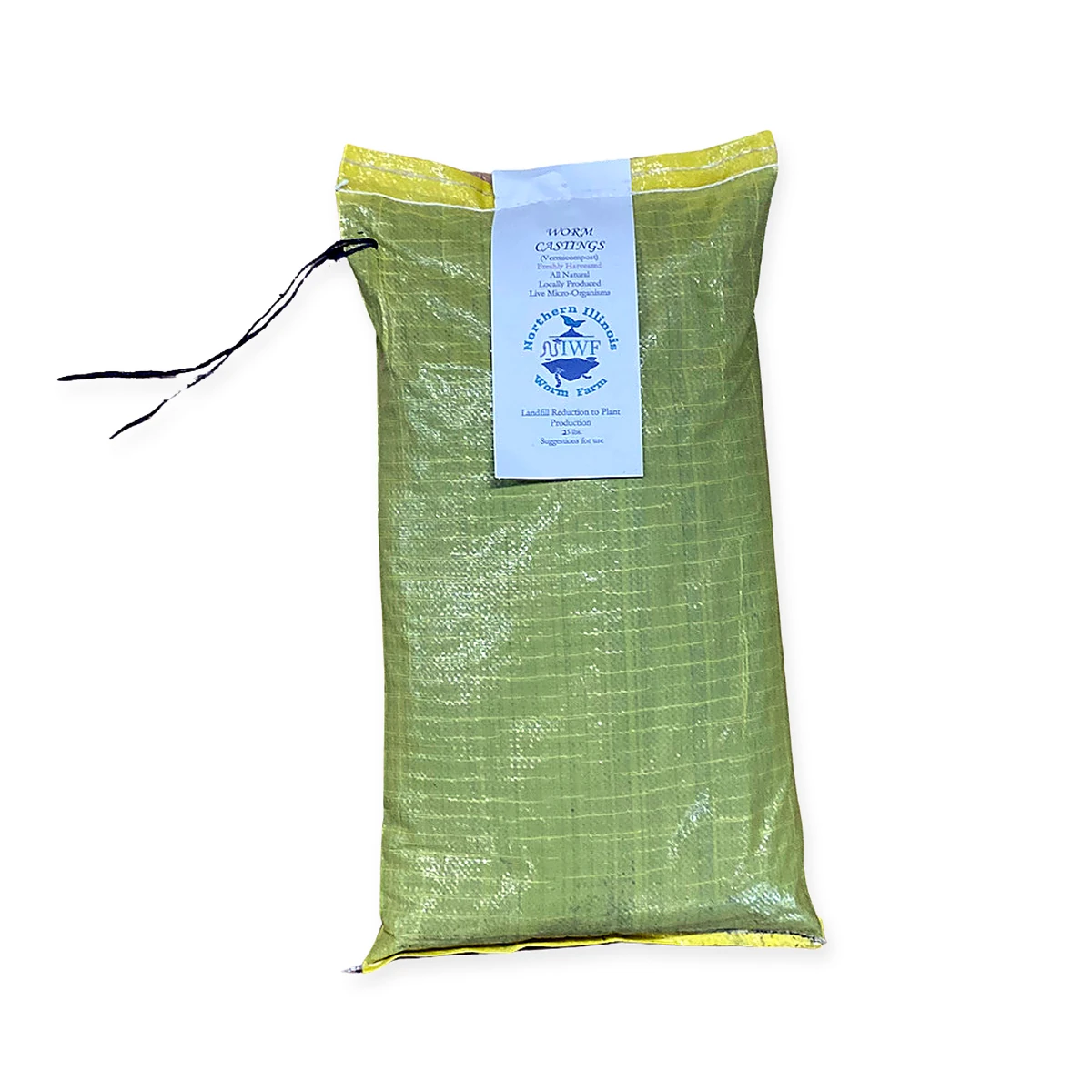
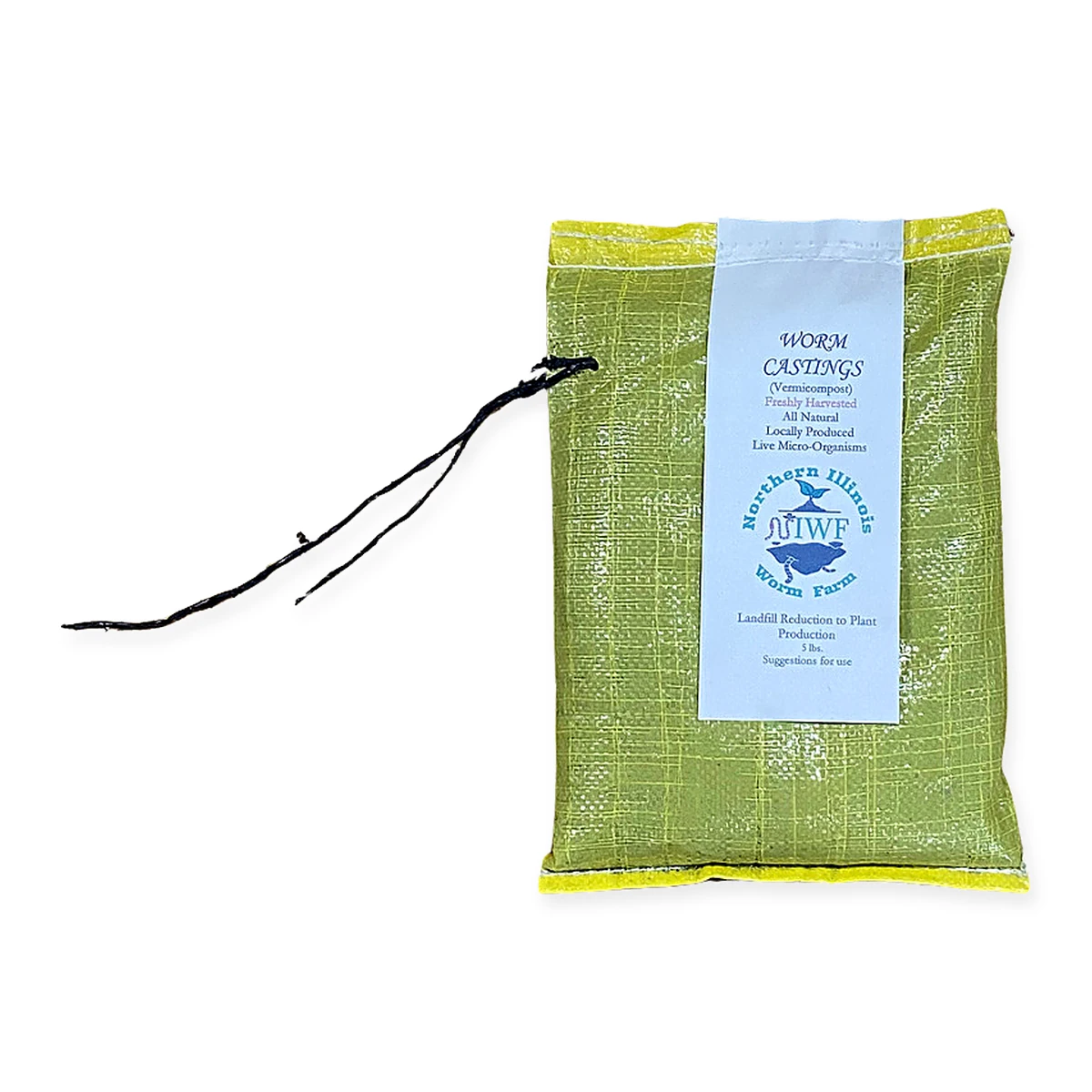
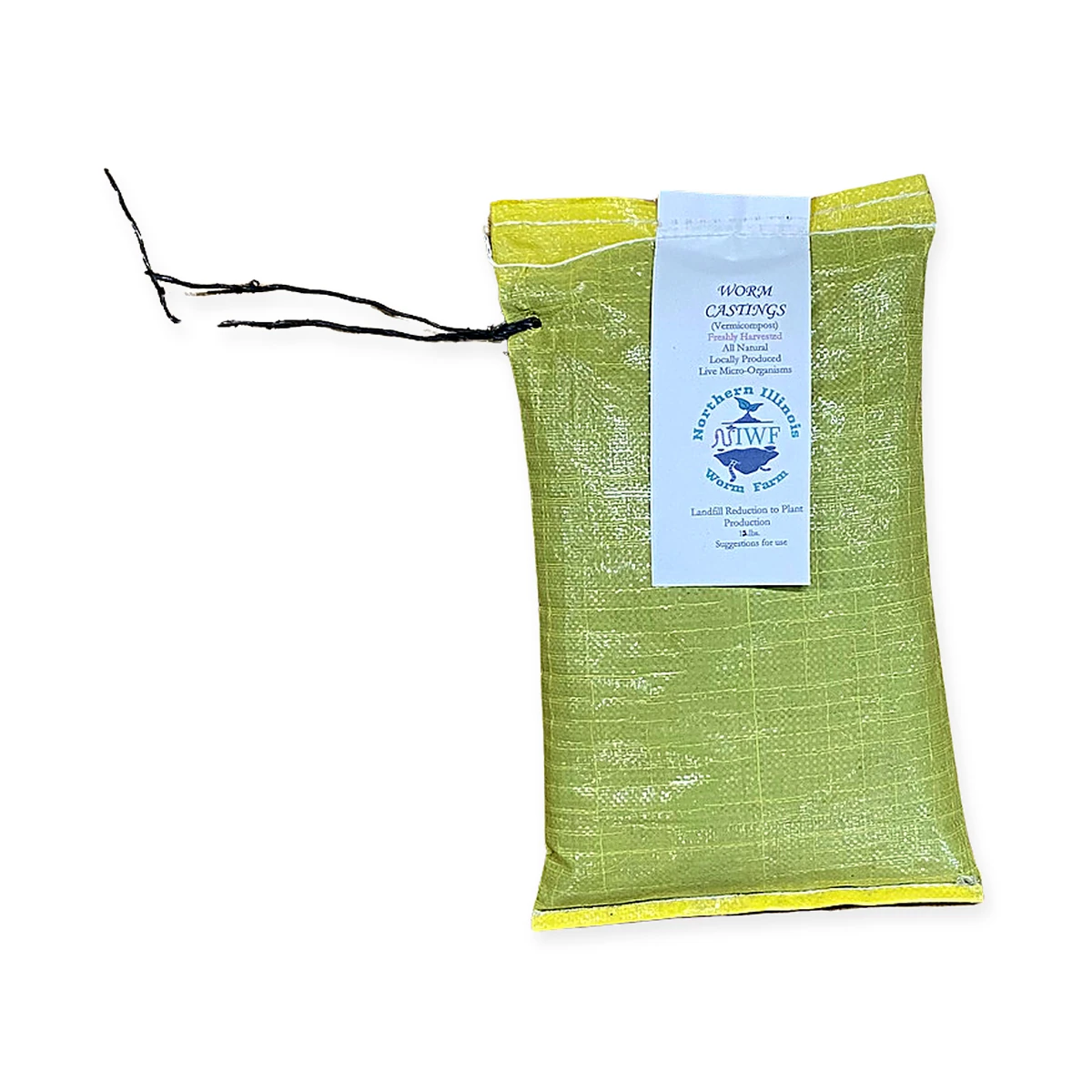
Use castings as a soil amendment and plant food when you refresh raised beds, settle transplants, or top-dress containers. Choose a 5 lb bag for houseplants and patio pots, a 12 lb bag for one raised bed, a 20 lb bag for a few beds, or a 40 lb bag for a larger garden. Shipping is included with every bag, without a promised number of delivery days.
Shop worm castings for Colorado
These are the bag sizes on the site today. Prices come from the store, and shipping is included.
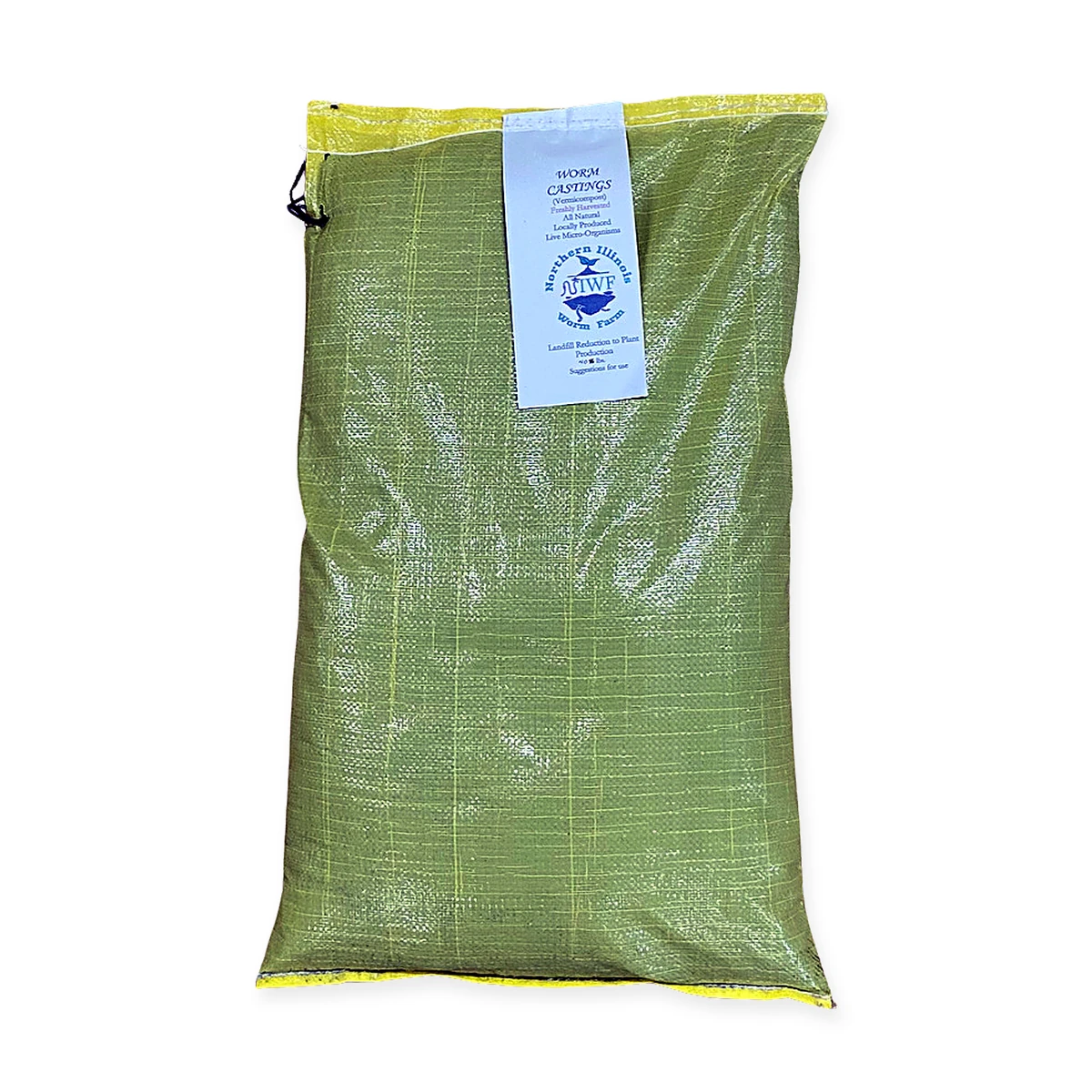
The largest bag for a bigger garden or a full season of beds.
Gardening along Colorado’s Front Range and higher elevations
Colorado State University Extension planting guides for raised beds use May 15 and October 1 as typical Front Range frost dates. Cool-season crops such as lettuce, spinach, peas, onions, and broccoli fit the cooler spring and fall windows, while warm-season crops such as tomatoes, peppers, beans, and squash wait until soil and nights settle later in May.
Along the Front Range and eastern plains, CSU Extension notes mid-April to early May for many spring cool-season plantings, with mid-July to mid-August replants for fall harvest. Warm-season vegetables usually go out mid-May to early June. Mountain communities often need an even tighter calendar, short-maturity varieties, and more season-extension care because nights stay cool and frost can return early.
Raised beds four feet wide work well in Colorado’s short seasons because soil warms earlier, foot traffic stays off the growing area, and frost covers are easier to manage. Block-style plantings of beets, carrots, chard, and salad greens shade the soil surface and cut evaporation in dry air while keeping walkways mulched and firm.
Irrigation is not optional in much of Colorado. Vegetables need steady moisture for tender growth; dry soil can leave crops strong flavored or stringy. Drip lines or soaker hoses with mulch help put water where roots need it without wasting as much to wind and sun on open beds.
CSU Extension’s raised-bed planting guide ties sample schedules to May 15 and October 1 average frost dates typical of the Front Range, and asks gardeners elsewhere to adjust to local frost dates.
CSU Extension’s container vegetable guide places Front Range cool-season planting around mid-April to early May, with mid-July to mid-August fall replants, and warm-season planting from mid-May to early June.
CSU Master Gardener GardenNotes on water conservation urge routine organic soil amendments and note that drip irrigation plus mulch can reduce garden water need by around half compared with less efficient watering.
Why gardeners use worm castings
Semi-arid Colorado gardens lose moisture quickly from wind, sun, and low humidity. Worm castings add organic matter that helps sandy or compacted beds hold water and nutrients closer to roots between irrigations, which matters when every watering has to count through a short high-elevation season.
Dense raised beds of lettuce, spinach, cole crops, and tomatoes ask more of the soil than sparse row gardens. Mixing castings into bed soil before planting, then top-dressing around established plants, supports steady growth through Colorado’s short high-elevation season.
How to use worm castings in Colorado
Raised beds
Before spring planting or midsummer fall replants, work castings into the top layer of a four-foot bed. A 12 lb bag suits one bed; a 20 lb bag covers a few beds when you are refreshing several blocks of greens, roots, or late cole crops for September harvest.
Vegetable gardens
Blend castings into soil for Front Range plantings of lettuce, spinach, broccoli, beans, tomatoes, and peppers. Steady organic matter supports quality produce when irrigation is managed carefully through dry stretches and hot, windy afternoons.
Transplants
When setting out hardened broccoli, cabbage, tomato, or pepper transplants after soils warm, mix castings into the planting hole and water in. Castings help the new root zone settle into windy Colorado beds.
Houseplants
Use a light top dressing from a 5 lb bag on indoor pots that dry quickly in heated winter air. Water afterward so the castings settle into the potting mix.
Containers
Patio tomatoes, peppers, chard, and salad greens in pots need frequent watering in Colorado’s dry air. Mix castings into container soil at planting and refresh the surface when you replant cool-season crops for fall.
Lawns
Broadcast a thin layer of castings over thin or compacted turf after aeration or when overseeding cool-season grass, then water to move the amendment into the thatch and root zone.
Worm castings shipped to Colorado
Northern Illinois Worm Farm packs orders in Dover, Illinois and ships Colorado worm castings to addresses across the state. There is no Colorado storefront or pickup point; bags leave Illinois and arrive at your door.
Choose 5 lb for houseplants and patio pots, 12 lb for one raised bed, 20 lb for a few beds, or 40 lb for a larger garden. Shipping is included on casting bags. We do not quote a fixed number of delivery days because transit can vary by carrier and destination.
Made at the farm in Dover, Illinois
We are a family-run worm farm in Dover, Illinois. Castings are screened and packed to order so Colorado gardeners receive a consistent soil amendment ready for beds, pots, and transplants.
Orders are fulfilled from our Illinois farm only. We sell worm castings as plant food and a soil amendment you can use alongside your local extension planting calendar.
Read about the farmRelated worm castings guides
Worm castings questions for Colorado
Do you sell Colorado worm castings from a Colorado location?
No. Northern Illinois Worm Farm is based in Dover, Illinois. We ship screened worm castings to Colorado gardeners. The product is packed in Illinois and mailed to your address. We do not operate a store, warehouse, or pickup site in Colorado.
Which bag size fits a Front Range raised bed?
A 12 lb bag is sized for one raised bed. If you keep a few beds of salad greens, cole crops, or tomatoes, choose 20 lb. Larger gardens often use 40 lb. Patio pots and houseplants are a better match for the 5 lb bag.
How do castings fit Colorado’s short season?
Castings support soil that holds moisture and nutrients while you work within Front Range planting windows from CSU Extension. They do not lengthen the frost-free season by themselves. Pair them with timely planting, mulch, drip or soaker irrigation, and covers suited to cool nights and dry air.
Is shipping included when you ship to Colorado?
Yes. Shipping is included on our worm casting bags. We ship from Dover, Illinois to Colorado addresses across the Front Range, mountains, and plains. Exact arrival timing depends on the carrier and destination, so we do not promise a set number of days.
Can castings replace irrigation in a semi-arid garden?
No. Colorado vegetables still need careful watering through dry, windy weather. Castings help soil hold moisture between irrigations when used with mulch and efficient watering methods, but they are a soil amendment and plant food, not a substitute for water during germination, flowering, and fruiting.
Ready to order?
Pick a bag above. Checkout uses the same cart as the rest of the site.
Local growing notes come from public extension and climate references. They describe typical conditions, not a promise about your soil.