Worm Castings for Sale in Georgia
Looking for worm castings for sale in georgia without assuming every yard shares the same red clay? Northern Illinois Worm Farm sends screened castings out of Dover, Illinois, and shipping is included on Georgia orders. Gardeners from the Piedmont to the Coastal Plain can buy online; we are not a Georgia store or farm stand.
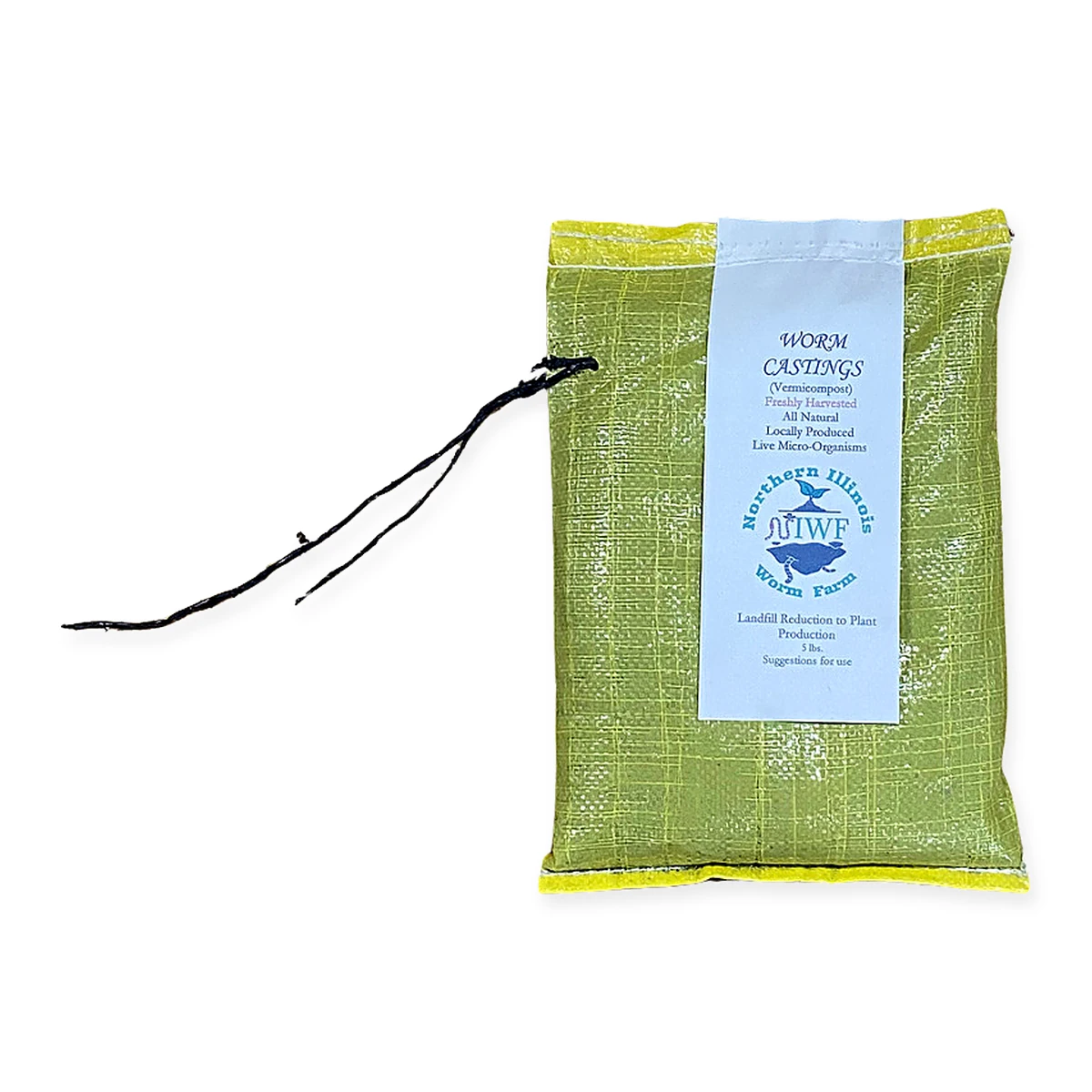
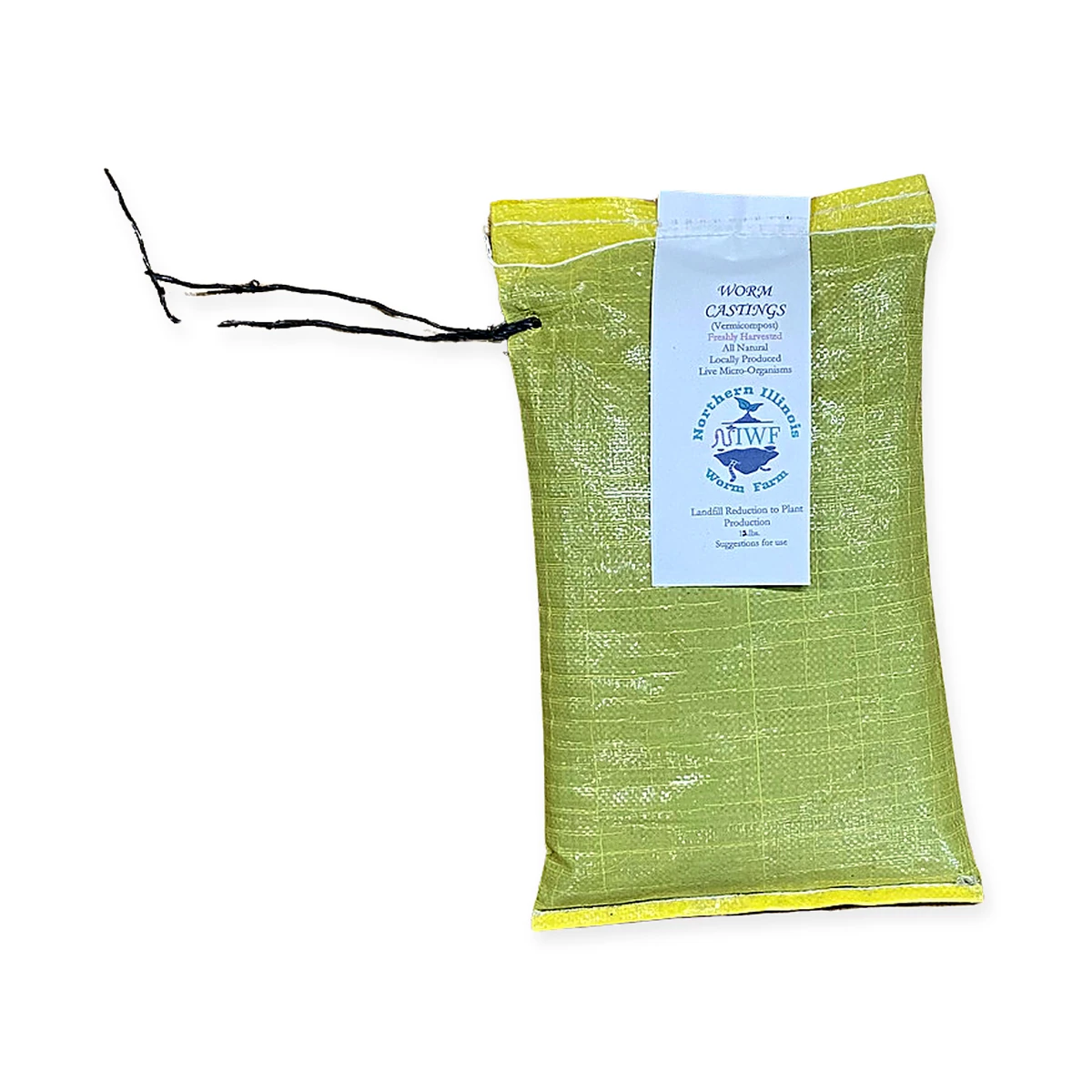
University of Georgia Extension separates soil stories by region: upland red Piedmont soils differ from sandier Coastal Plain ground, and some counties straddle both along the fall line. Match bag size to the space you tend—5 lb for houseplants and patio pots, 12 lb for one raised bed, 20 lb for a few beds, or 40 lb for a larger garden.
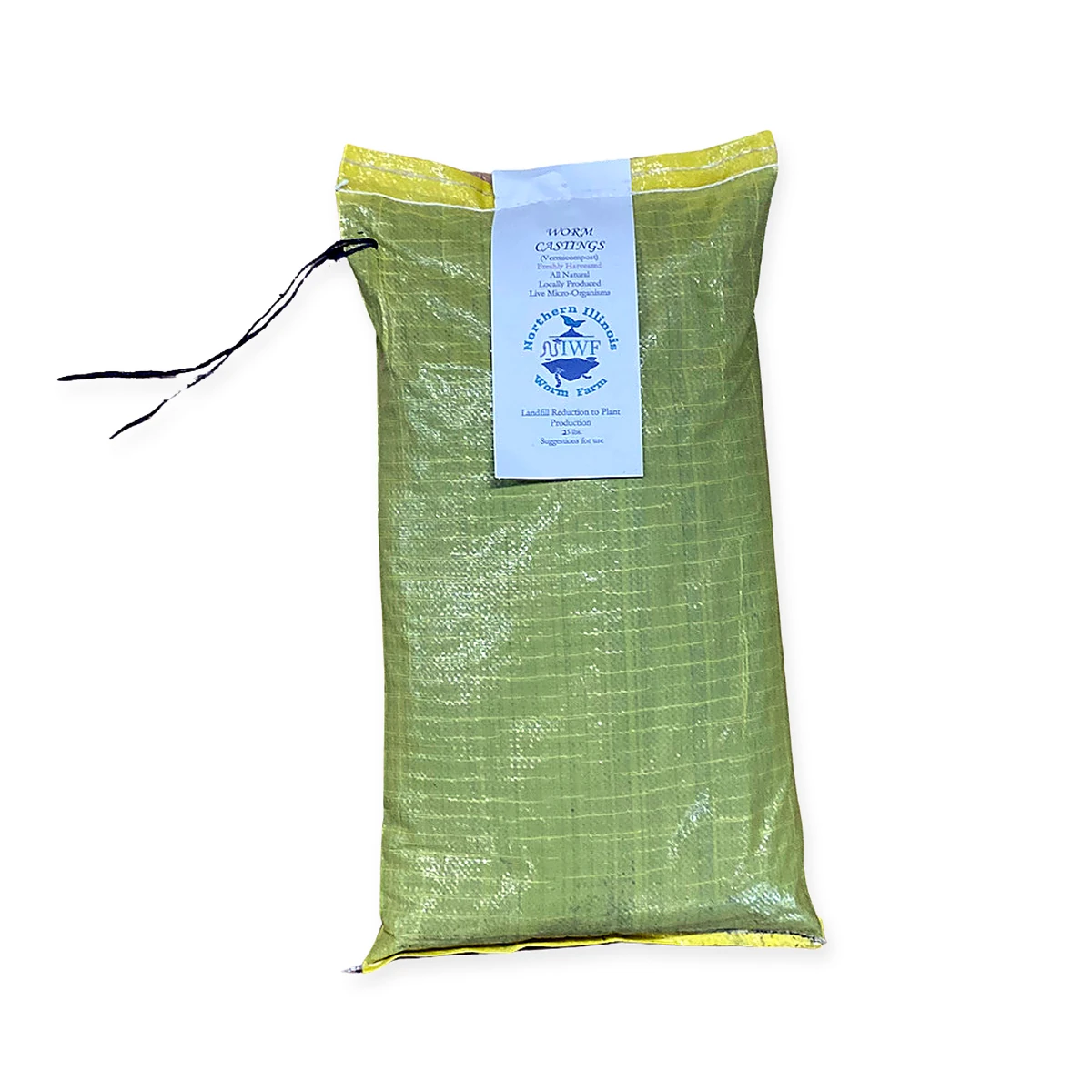
Shop worm castings for Georgia
These are the bag sizes on the site today. Prices come from the store, and shipping is included.
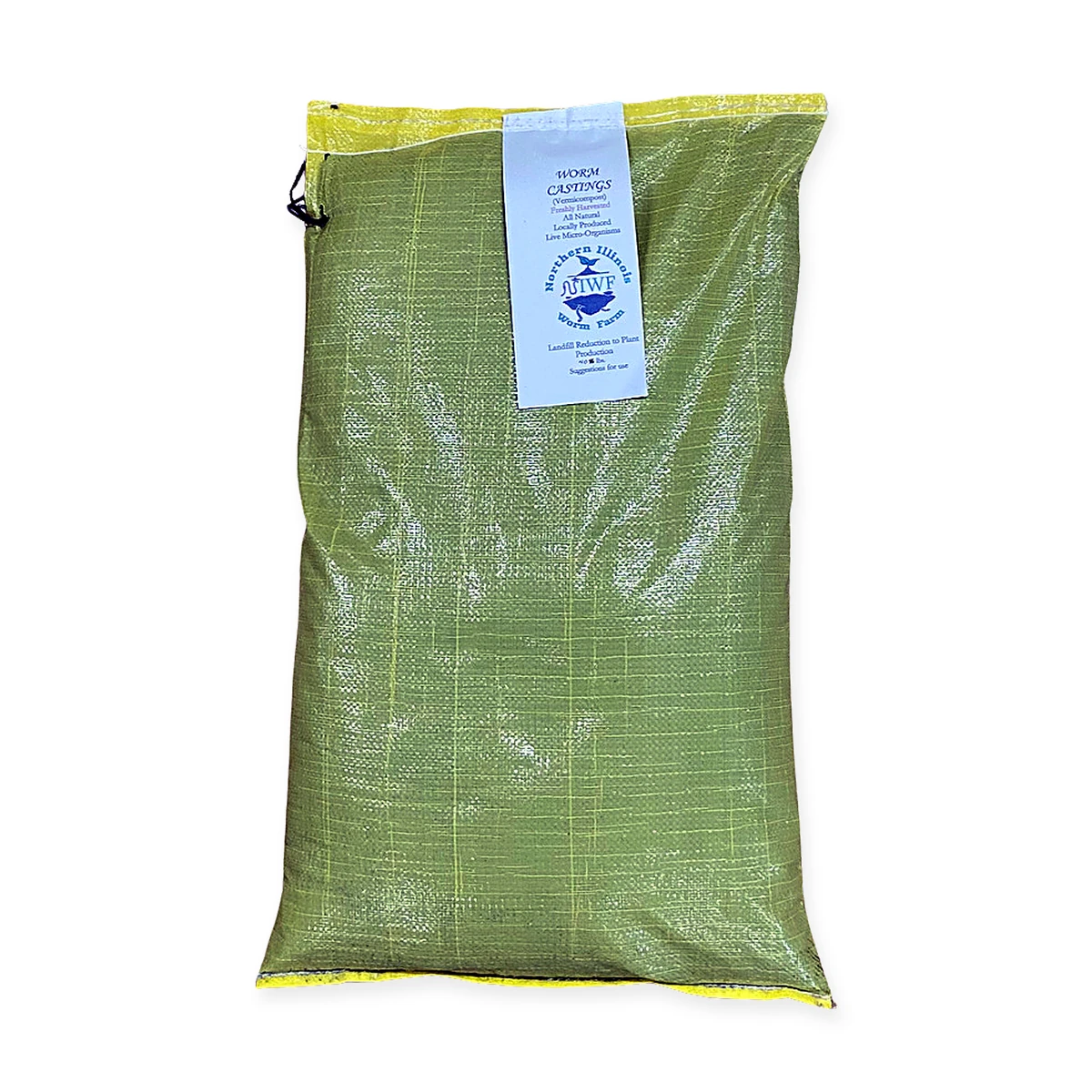
The largest bag for a bigger garden or a full season of beds.
Long seasons, Piedmont clay, and Coastal Plain sand
Georgia’s vegetable calendar stretches longer than northern states, with room for spring and fall plantings when heat and rainfall cooperate. UGA Circular 963 still starts with sunlight, drainage, and a soil test through the county Extension office months before planting. Organic matter such as compost, leaf mold, or well-rotted manure belongs in that preparation list; castings fit the same organic role.
Piedmont gardens often sit on well-drained red upland soils that Extension soil handbooks describe as acid and relatively low in phosphorus in their native state. Clay that stays wet late in spring can crust after hard rain and compact until roots lack oxygen. UGA writers warn never to till sticky clay; wait until a squeezed handful crumbles. Castings and other organic matter help over seasons; they do not turn clay into sand overnight.
Coastal Plain soils, including Atlantic Flatwoods and sand hills in Extension grouping, commonly show sandy surfaces and lower cation exchange capacity. In their native state they can be acid and infertile, and light soils may need more frequent watering than heavier ground. Circular 963 notes that sandy gardens may require irrigation more often than heavier soils when rain is scarce. Organic matter is how gardeners improve both ends of that spectrum.
Raised beds are a practical answer on slopes, urban lots, and poorly drained pockets. UGA publications note that beds warm sooner and drain well—so well that irrigation discipline matters. Whether your plot is Piedmont clay or Coastal Plain sand, a soil test still sets lime targets. Georgia soils often run acidic; vegetables generally prefer a mildly acid range near 6.0 to 6.5 in Circular 963 guidance.
UGA soil materials describe Piedmont soils as predominantly upland, well-drained red soils. Garden articles add that clay can stay wet late, crust after rain, and compact. Organic matter and careful timing when working soil are the long game.
Extension soil categories group Coastal Plain soils as sandy-surfaced with lower CEC, often acid and infertile when native. Water and nutrients move differently than in clay. Organic additions help holding capacity whether your garden is sand or clay.
UGA’s Soil Test Handbook notes that some central Georgia counties include both Piedmont and Coastal Plain soil types. County ratings can be overridden when a sample clearly belongs to the other group. Test the bed you actually plant.
Why gardeners use worm castings
Georgia gardeners need amendments that respect local texture instead of a single statewide clay story. Organic matter improves aeration in sticky red ground and helps sandy plots hold moisture between soakings. Screened worm castings from Northern Illinois Worm Farm give a fine, ready-to-mix option for beds and containers through a long, hot growing stretch.
We ship from Dover, Illinois with shipping included. Castings are produced at our Illinois worm farm and delivered to Georgia addresses. Order the bag that matches houseplants, one bed, a few beds, or a larger garden.
How to use worm castings in Georgia
Raised beds
Budget about 12 lb for one raised bed when refreshing mix before a spring or fall planting. Beds drain quickly in Georgia heat, so blend castings through the root zone and plan on steady watering. Keep mulch in the 2 to 4 inch settled range Extension suggests for moisture and weeds.
Vegetable gardens
In-ground plots on clay or sand both respond to organic matter worked into the top soil when conditions are right. Follow soil-test lime and fertilizer notes first. Castings support structure and nutrition while you rotate crops and avoid working wet clay.
Transplants
Tomatoes, peppers, eggplant, and brassicas establish in warm soil with consistent moisture. Mix a small amount of casting into each hole, firm the backfill, and water at the base. Deep planting for tomatoes can follow UGA transplant guidance separately from the casting step.
Houseplants
Air-conditioned summers and dry winter heat stress indoor plants. A 5 lb bag covers houseplant top dressings and potting blends. Use lightly so containers still drain in Georgia’s humid months.
Containers
Patio pots dry fast on hot decks from Atlanta to the coast. Castings in the mix help hold moisture for herbs, peppers, and flowers between irrigations. Choose sturdy pots and check moisture more often than in-ground beds.
Lawns
For thin turf areas, a light casting top dress can accompany overseeding after you understand soil needs. Extension still ties lime and fertilizer to tests. Castings are an organic dressing, not a cure for compacted clay lawns or hungry sandy turf by themselves.
Worm castings shipped to Georgia
Worm castings for sale to Georgia ship from Northern Illinois Worm Farm in Dover, Illinois with shipping included. Bags come in 5, 12, 20, and 40 lb sizes for houseplants, one raised bed, a few beds, or a larger garden. We do not offer Georgia farm pickup.
Heat, storms, and carrier routing affect transit. We do not promise a delivery day. Order ahead of your spring or fall planting push so castings are on hand when soil moisture and temperature allow you to work.
Made at the farm in Dover, Illinois
Northern Illinois Worm Farm is based in Dover, Illinois. We produce and screen worm castings for national shipping. Georgia customers receive bags at home. We do not operate a Georgia warehouse or retail yard.
University of Georgia Extension publications cover regional soil differences, liming, and vegetable timing. Your county Extension office can help with the ground under your feet, and screened castings ship to the address you choose.
Read about the farmRelated worm castings guides
Worm castings questions for Georgia
Do you sell worm castings from a Georgia location?
These castings are not sold from a Georgia location. Northern Illinois Worm Farm operates in Dover, Illinois and ships bags south to your address. There is no Georgia store, farm, or warehouse for pickup, so checkout delivery is the path.
Which bag fits Piedmont beds versus Coastal Plain beds?
Bag sizing follows garden area, not region name: about 12 lb for one raised bed, 20 lb for a few beds, 40 lb for a larger garden, and 5 lb for houseplants and patio pots. Soil type changes how you water and lime, not the bag labels we sell.
Can castings fix Georgia red clay or sandy soil alone?
Organic matter improves both clay and sand over time, which UGA garden soil articles emphasize for home plots. Castings contribute to that organic pool in a fine, screened form. They do not erase texture overnight or replace drainage grading, raised beds, or a county soil test.
Is shipping included for Georgia orders?
Shipping is included from Dover, Illinois on Georgia castings orders. We still avoid promising a calendar delivery day because carriers and summer weather vary week to week. Order with enough lead time before spring or fall planting weekends on your own calendar.
Should Georgia gardeners soil test before adding castings?
Start with the soil test. Circular 963 and related UGA guides open with county Extension sampling for lime and fertilizer needs. Many Georgia soils are naturally acidic. Use castings as an organic amendment while lime and fertilizer rates follow the written report.
Ready to order?
Pick a bag above. Checkout uses the same cart as the rest of the site.
Local growing notes come from public extension and climate references. They describe typical conditions, not a promise about your soil.