Worm Castings for Iowa Gardens
Looking for worm castings iowa gardeners can work into beds, pots, and lawn edges without guessing at miracle results? Northern Illinois Worm Farm ships screened worm castings from Dover, Illinois to homes across Iowa. Shipping is included with your order, so you can focus on soil instead of freight math.
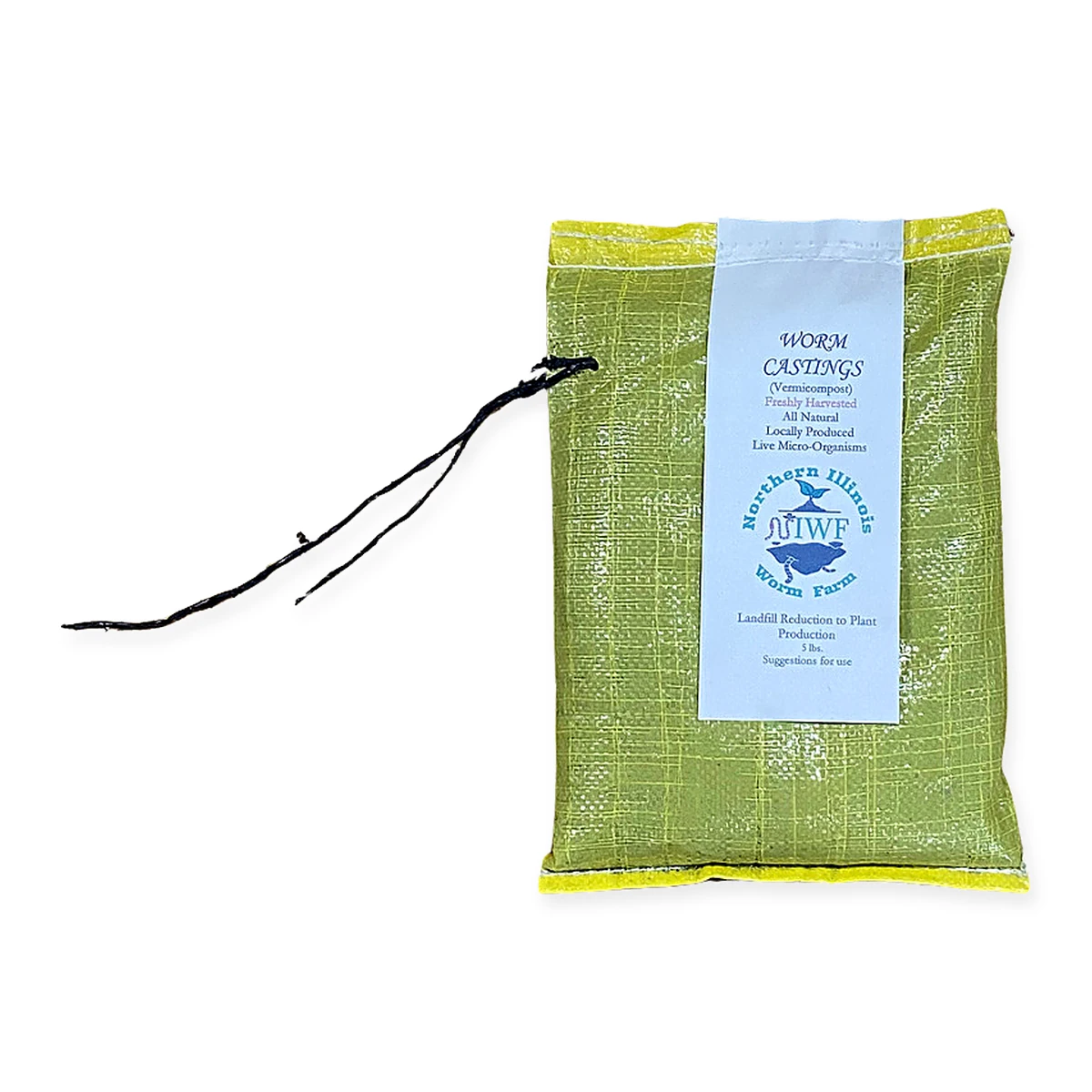
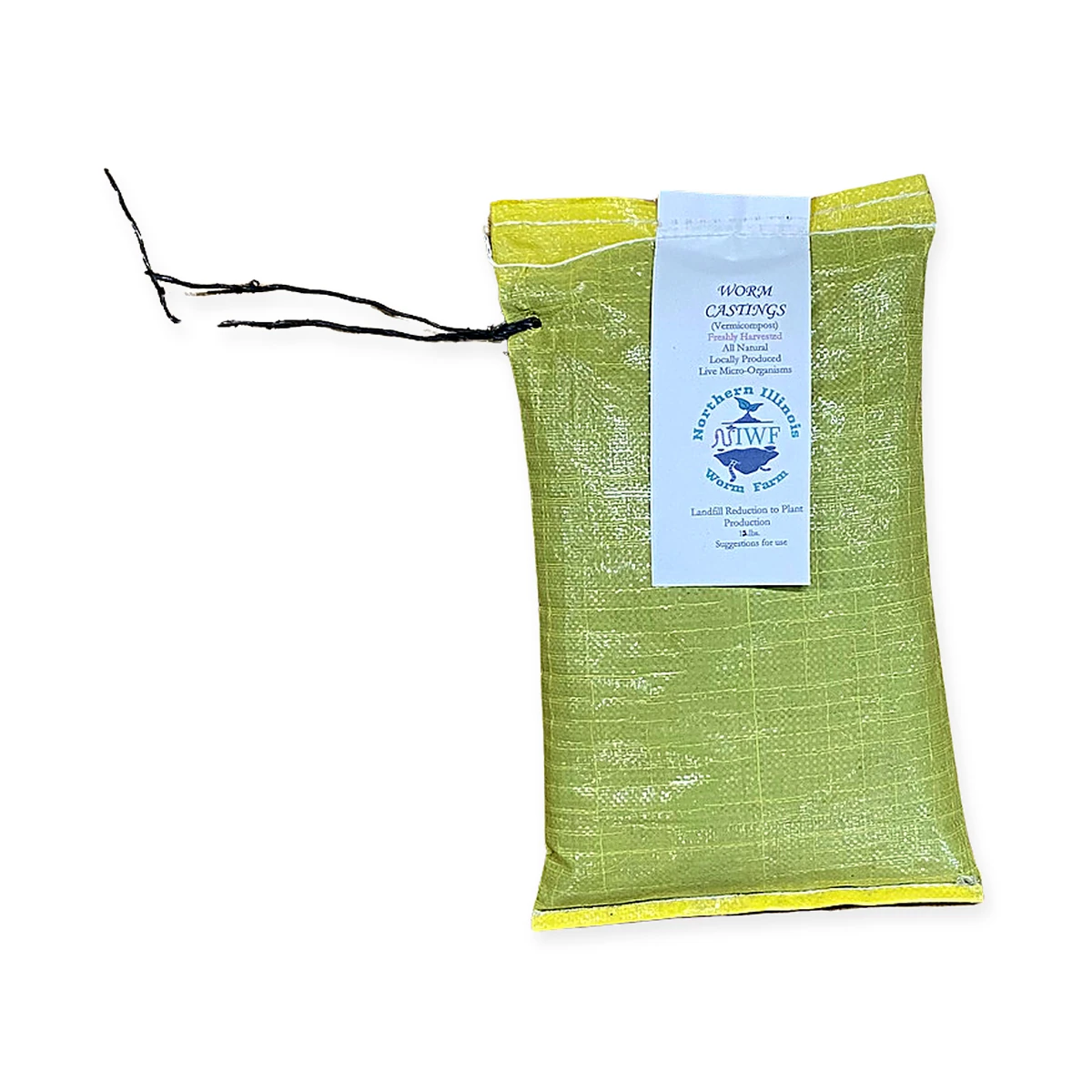
Iowa State University Extension notes that many Iowa soils suit vegetables yet still need organic matter, drainage help, or clay management over time. Castings are a finished soil amendment you mix into existing ground or potting mix. Choose a 5 lb bag for houseplants and patio pots, 12 lb for one raised bed, 20 lb for a few beds, or 40 lb for a larger garden.
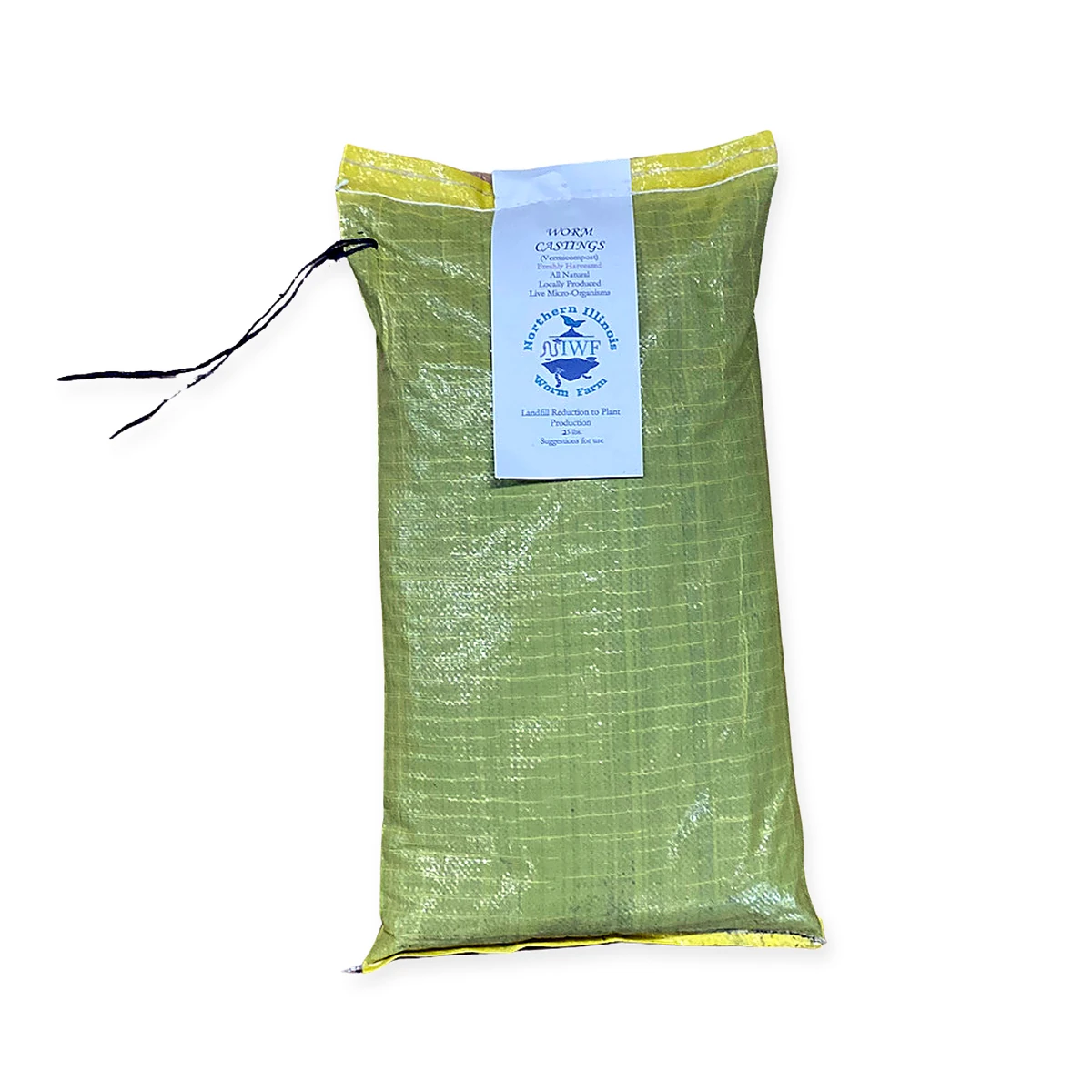
Shop worm castings for Iowa
These are the bag sizes on the site today. Prices come from the store, and shipping is included.
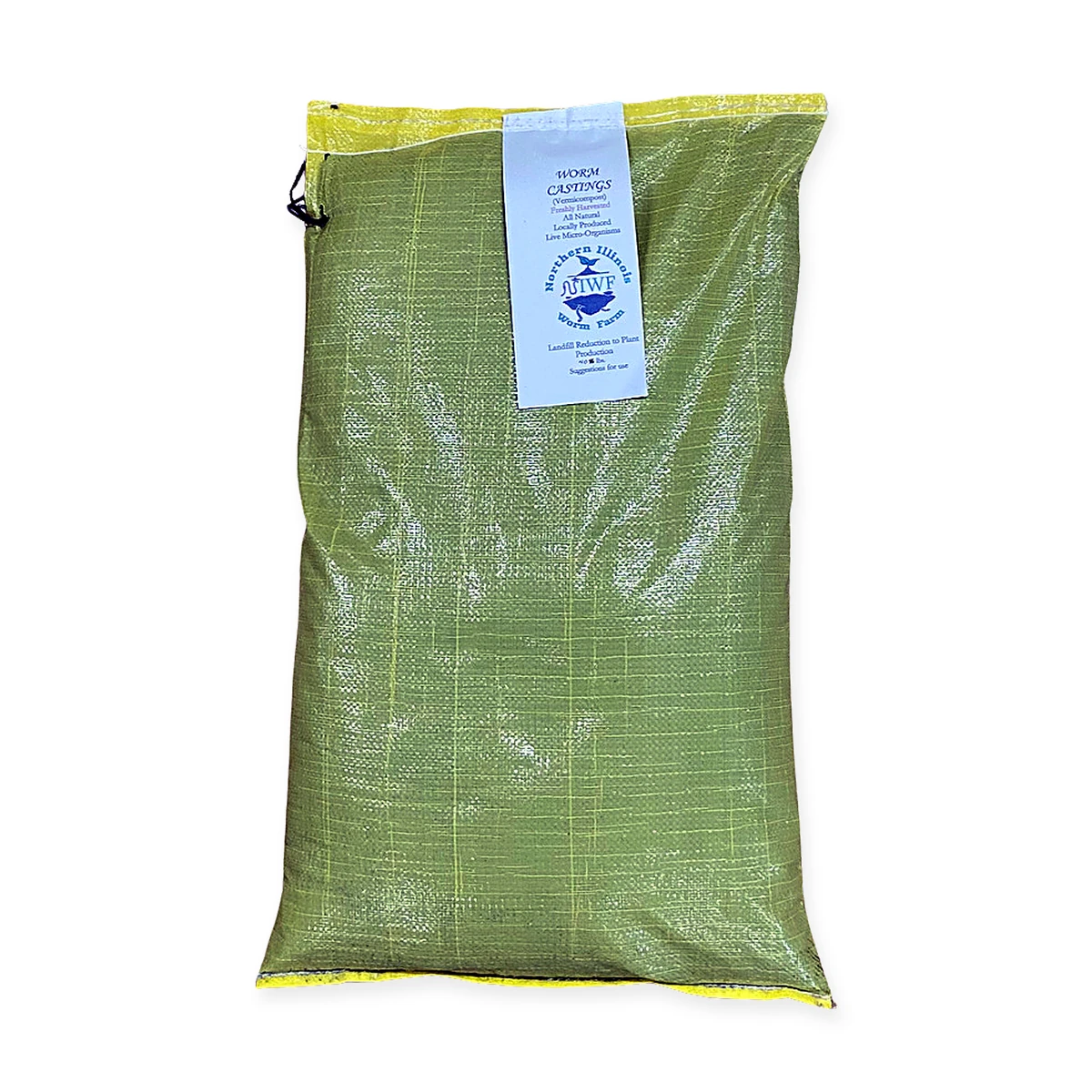
The largest bag for a bigger garden or a full season of beds.
Iowa garden soil after prairie country
Much of Iowa sits on landscapes shaped by prairie vegetation, and that history still shows up in dark, fertile surface soils that support corn and soybean fields as well as backyard plots. Home gardeners inherit that fertility in many yards, yet Extension guidance still stresses annual care: soil tests, organic matter, and careful work when clay holds water. Worm castings fit that steady maintenance mindset rather than a one-time fix.
Iowa State University Extension describes soil as a living mix of minerals, organic materials, water, and air. Texture and structure control how water and oxygen move to roots. High clay content can leave little pore space and slow drainage; low organic matter makes the same problem worse. Compost and similar amendments improve structure and water-holding capacity, which is why castings belong in the same conversation as other finished organic materials.
Vegetable season in Iowa rewards patience with wet spring ground. Extension horticulturists warn never to work soil that forms a lasting ball in your hand; wait until a squeezed handful crumbles. That timing matters for tomatoes, peppers, beans, and squash as much as for soil amendments. Blend castings into the upper root zone once the bed is workable, then mulch after the soil has warmed.
A soil test remains the place to start for pH and fertility questions. Extension materials place many Iowa soils in a pH range near 5.5 to 7.5, with most plants preferring roughly 6.0 to 7.0. Castings do not replace lime, sulfur, or a lab recommendation. They add organic matter and a gentle nutrient contribution while you follow the report for bigger corrections.
Iowa State University research on prairie landscapes notes that Mollisol surface horizons formed under tallgrass prairie hold high organic matter and inherent fertility. Garden beds on former farmland still benefit from regular organic additions as plants and weather use what the soil holds.
Extension soil pages explain that clay particles leave less pore space than sand, so water drains slowly and roots can lose oxygen. Raised beds, layered organic matter, and avoiding traffic on wet clay are practical responses Iowa gardeners already use.
Warm-season crops need frost-free weeks and workable soil. Cool greens can go in earlier once frost risk and soil moisture allow. Castings support both plantings when mixed lightly rather than piled on cold, soggy ground.
Why gardeners use worm castings
Iowa gardeners often work loams or clay loams that feel productive yet crust, seal, or stay wet after heavy rain. Organic matter is the lever Extension keeps recommending because fertilizers alone do not rebuild structure. Worm castings from Northern Illinois Worm Farm give you a screened, ready-to-use amendment for that purpose when you want something finer than coarse yard waste.
Because we ship from Dover, Illinois with shipping included, Iowa households can order the bag size that matches the season ahead. Castings are produced at our worm farm and packed for delivery to the Iowa address you choose. There is no Iowa store or warehouse for pickup.
How to use worm castings in Iowa
Raised beds
A 12 lb bag suits one raised bed when you want to refresh mix before planting. Work castings through the top of the bed once soil is dry enough to crumble. Extra product can side-dress tomatoes or peppers later without flooding the whole frame.
Vegetable gardens
In-ground Iowa plots respond to organic matter that improves structure and moisture handling. Blend castings into planting rows or hills after a soil test sets lime and fertilizer direction. Keep paths firm so you are not compacting wet clay between beds.
Transplants
When setting out tomatoes, peppers, or brassicas, mix a small amount of castings into the backfill around each root ball. The goal is contact with moist soil, not a dry pocket of amendment. Water in thoroughly after planting.
Houseplants
The 5 lb bag covers indoor pots and a few patio containers. Top-dress lightly or blend into fresh potting mix at repotting. Avoid sealing castings against a plant crown; leave space for air and even watering.
Containers
Patio tomatoes, herbs, and flowers dry out faster than ground beds in Iowa heat. Castings in the mix help hold moisture and nutrients between waterings. Start with a modest blend and watch how each pot drains.
Lawns
For lawn edges, thin spots, or after core aeration on clay turf, a light top dressing of castings can accompany seed or compost. Extension prefers aeration over gypsum claims for many Iowa clay lawns. Castings are an organic top dress, not a substitute for that mechanical step.
Worm castings shipped to Iowa
Orders ship from Northern Illinois Worm Farm in Dover, Illinois to Iowa addresses with shipping included. We pack screened castings in breathable bags sized for houseplants through larger gardens. You choose 5, 12, 20, or 40 lb based on how many beds or pots you plan to feed.
We do not promise a calendar delivery day. Transit varies with carrier routes and weather. Place orders with enough lead time before your planting window, especially in spring when Iowa soils are still drying out.
Made at the farm in Dover, Illinois
Northern Illinois Worm Farm is a real worm farm in Dover, Illinois. We raise worms, harvest castings, and screen them for gardeners who order online. The farm is not an Iowa retail shop or pickup depot.
What you receive is the same screened castings we pack for customers across the country. Local Extension pages remain the best guide for Iowa-specific pH, drainage, and crop timing. Our role is supplying a consistent soil amendment you can work into that plan.
Read about the farmRelated worm castings guides
Worm castings questions for Iowa
Do you have a store or pickup location in Iowa?
There is no Iowa pickup point. Northern Illinois Worm Farm operates in Dover, Illinois and ships worm castings to Iowa addresses only. No Iowa farm stand, warehouse, or retail counter is connected to this order. Bags arrive at the shipping address you enter at checkout.
Which bag size fits an Iowa raised bed?
Use about 12 lb for one raised bed, with a little left to side-dress. Choose 20 lb if you are feeding a few beds in the same season, and 40 lb for a larger garden. The 5 lb bag is for houseplants and patio pots rather than a full bed fill.
Can castings fix heavy Iowa clay by themselves?
No single amendment erases clay texture. Iowa State University Extension points to organic matter, careful tillage timing, and sometimes raised beds to improve drainage and aeration. Castings contribute organic matter; they do not replace a soil test or physical drainage fixes.
Is shipping included to Iowa?
Shipping is included with worm castings orders sent from Dover, Illinois to Iowa addresses. We avoid promising a specific arrival day because carriers set transit schedules on their own. Order ahead of your planting week so the bags are on hand when soil is finally workable.
Should I still soil test if I use castings?
A soil test still comes first. Extension materials treat testing as the opening step for fertility, pH, and organic matter percentage. Castings support soil structure and plant nutrition gently, but lime, sulfur, or fertilizer rates should follow the laboratory report for your Iowa plot.
Ready to order?
Pick a bag above. Checkout uses the same cart as the rest of the site.
Local growing notes come from public extension and climate references. They describe typical conditions, not a promise about your soil.