Worm Castings for Michigan Gardens
Worm castings Michigan gardeners use for cold winters, Great Lakes seasons, and careful spring soil prep ship from Northern Illinois Worm Farm in Dover, Illinois. Screened castings arrive as a soil amendment for vegetable beds, fall cleanup, and containers that sit through a long freeze before outdoor planting resumes again in the spring season.
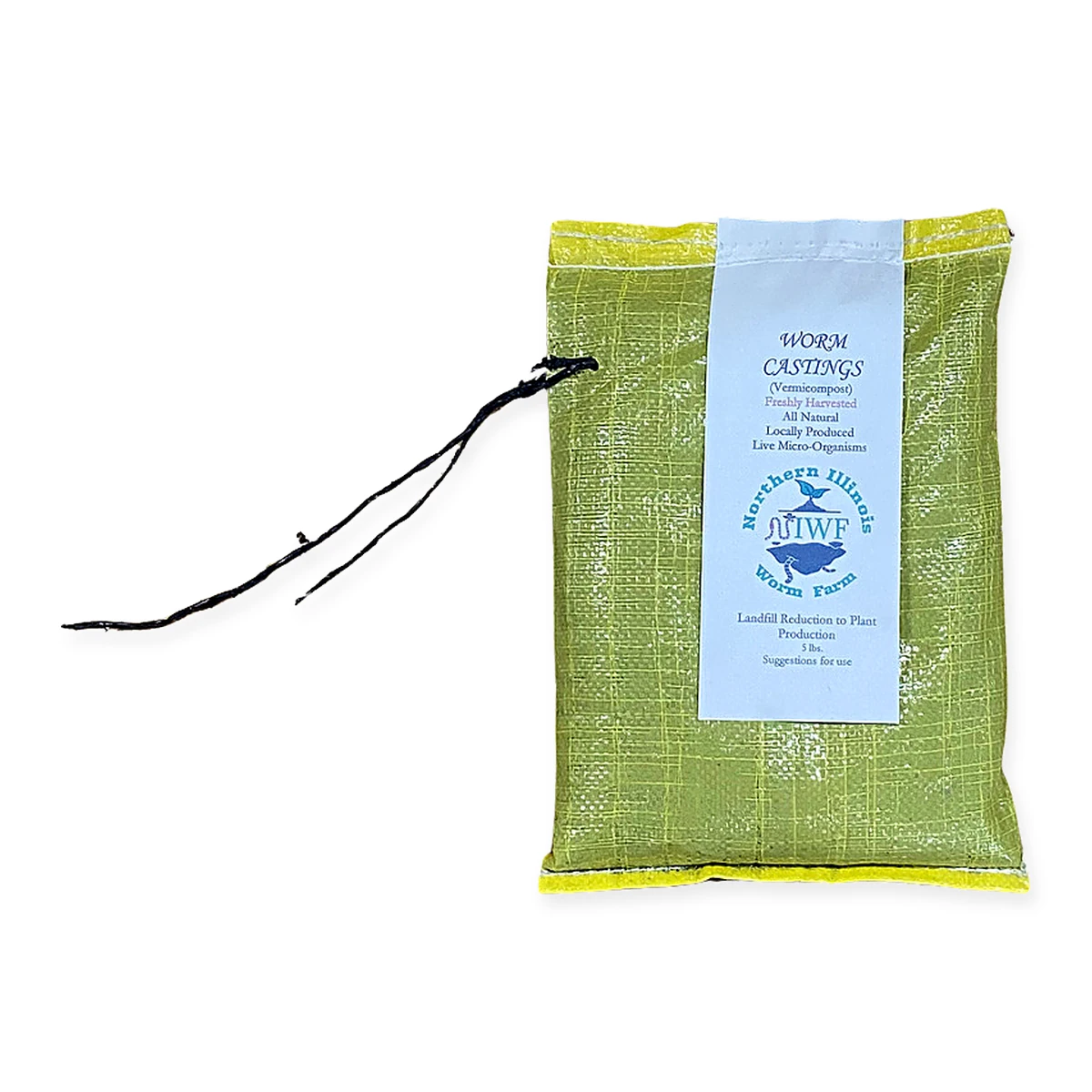
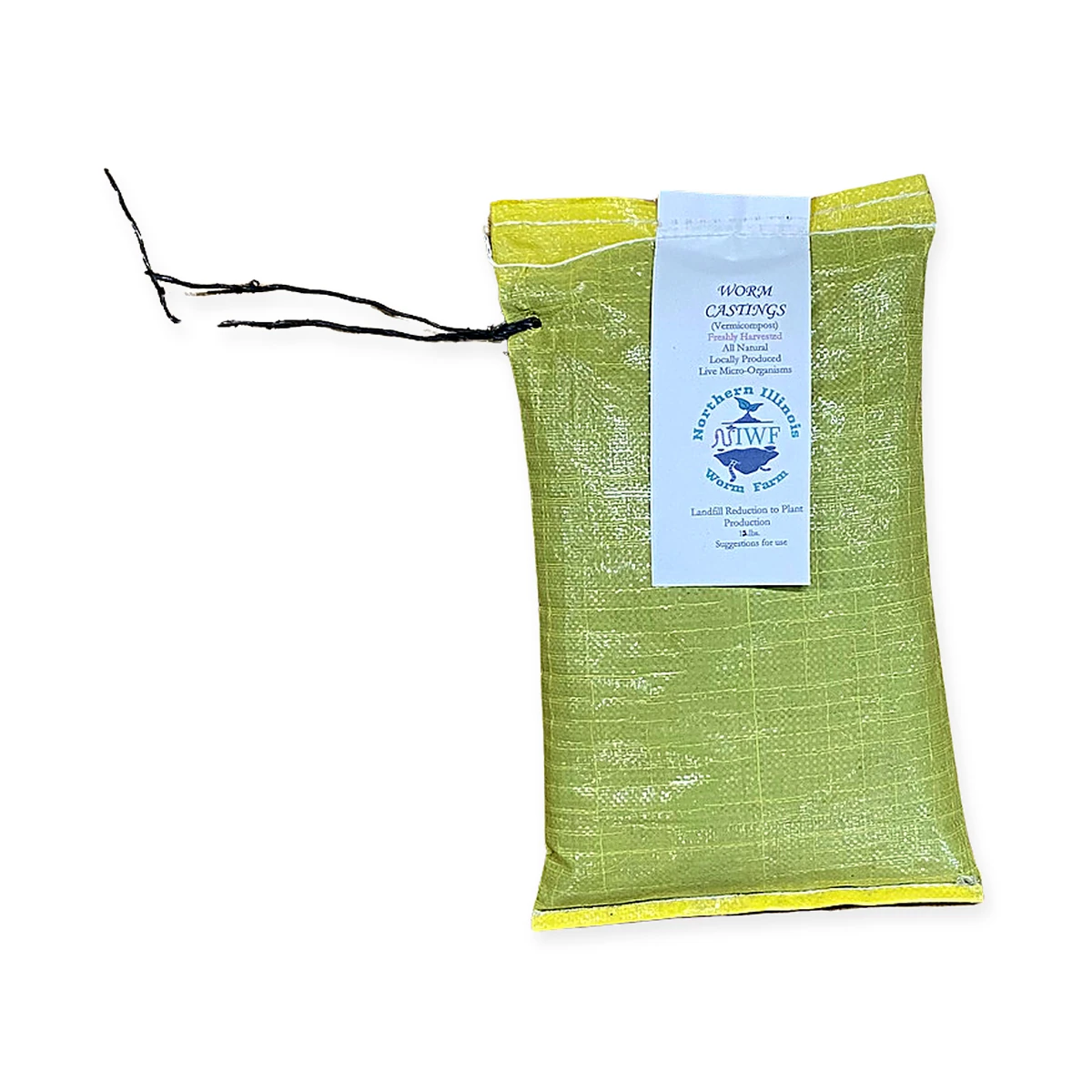
Order 5 lb for houseplants and patio pots, 12 lb for one raised bed, 20 lb for a few beds, or 40 lb for a larger garden. Shipping is included with each casting bag you order. Use castings when you rebuild soil after harvest or before cool- and warm-season plantings across the Lower and Upper Peninsula.
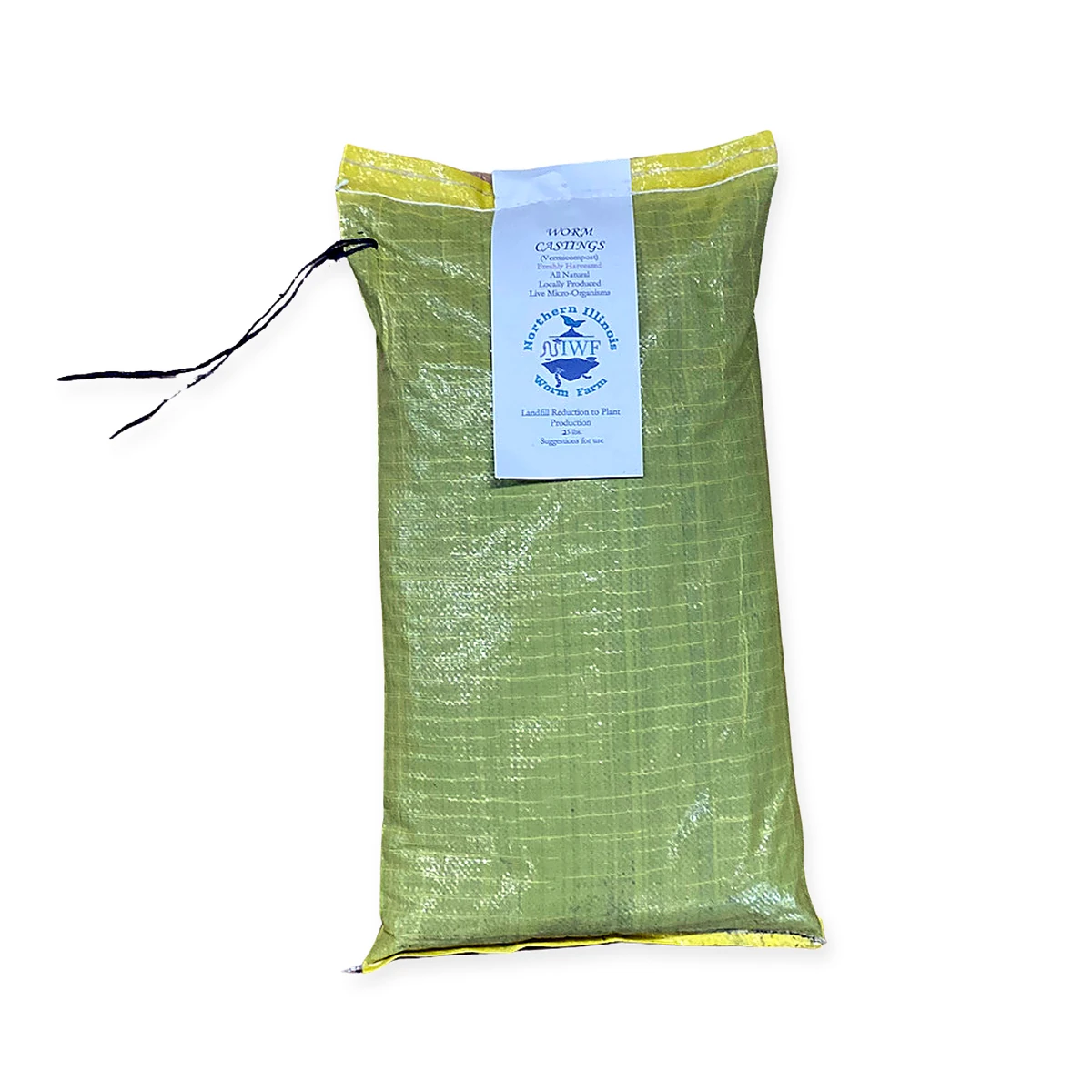
Shop worm castings for Michigan
These are the bag sizes on the site today. Prices come from the store, and shipping is included.
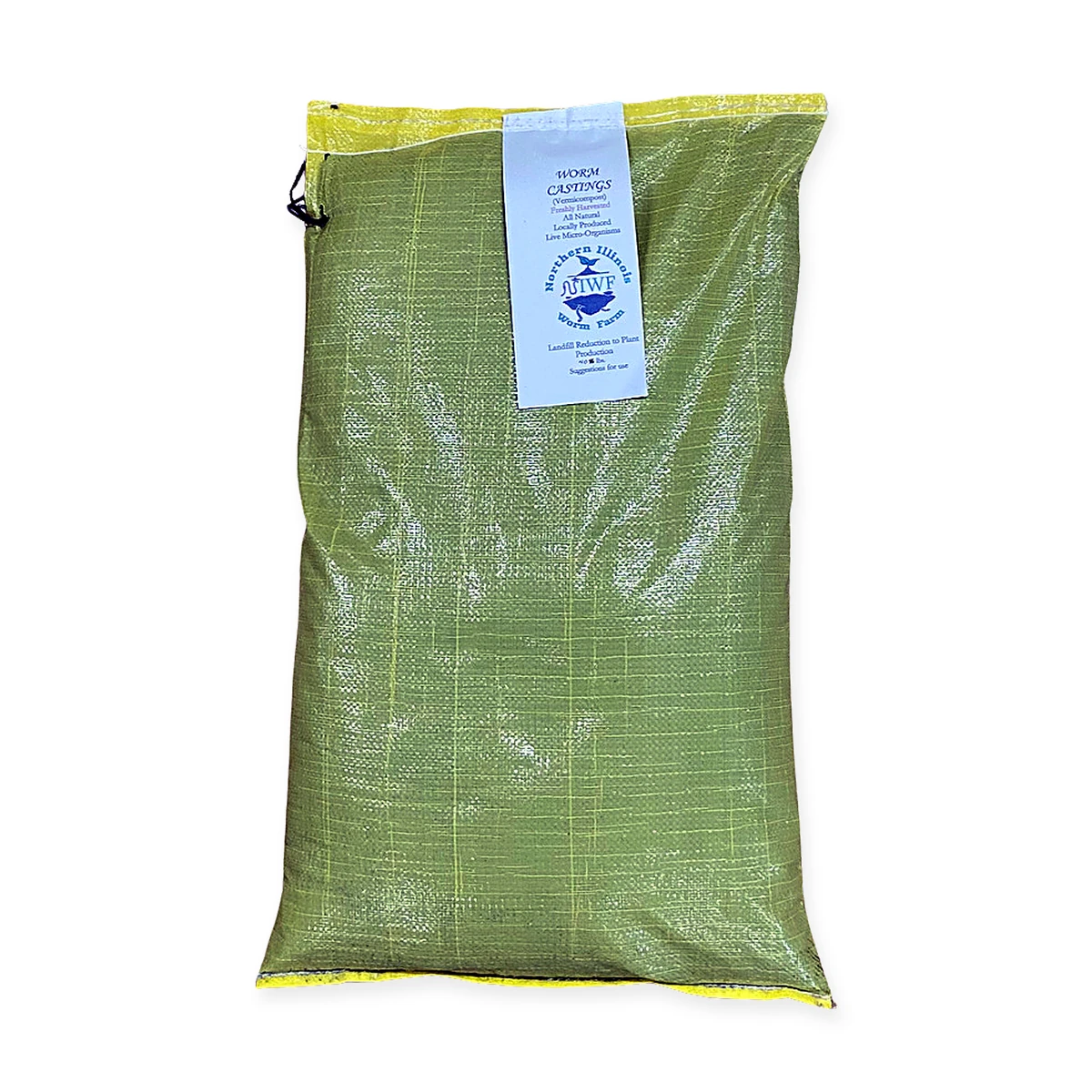
The largest bag for a bigger garden or a full season of beds.
Cold winters, Great Lakes seasons, and Michigan soil prep
Michigan gardens work around a long winter and a growing season shaped by the Great Lakes. MSU Extension’s vegetable tip sheets walk gardeners from late-winter seed orders into March–April soil prep when ground is dry enough, April cool-season planting of crops such as lettuce and peas, and May warm-season planting of tomatoes, peppers, and beans after frost danger passes for your area.
Fall is as important as spring here. MSU Extension encourages soil testing about every three years, then covering bare vegetable ground with organic mulch, compost, or a cover crop so winter rain and freeze–thaw cycles do not leave beds exposed. Shredded leaves and clean straw are common covers that feed soil life through the cold months.
MSU Extension fall guidance also points to cover crops such as winter wheat and cereal rye for Michigan gardens, and to adding organic matter in autumn so it can settle before spring planting. That timing matters because early spring soils are often too wet to till without creating compaction that lasts all summer.
Cole crops, kale, and other hardy greens can stretch late with row covers, while tomatoes, peppers, and beans wait for warmer soil. Across the state, latitude and lake influence change frost dates, so county calendars and local frost history beat any single statewide planting day.
MSU Extension’s fall vegetable garden cleanup guidance recommends soil testing about every three years and covering beds with roughly 3–6 inches of organic mulch or compost, or planting a cover crop, to protect soil over winter.
MSU Extension’s vegetable gardening tip sheet sequences March–April soil prep when soil is dry enough, April cool-season vegetables, and May warm-season vegetables after frost danger.
MSU Extension fall articles list winter wheat and cereal rye among Michigan cover crop options and encourage adding organic matter in fall so it can integrate before the next planting season.
Why gardeners use worm castings
Michigan’s freeze–thaw cycle and wet springs punish bare, low-organic soil. Worm castings give you a screened amendment to mix into beds during fall cleanup or spring prep, supporting structure before cool-season lettuce and peas or later tomatoes and peppers go in.
Because MSU Extension stresses covering soil and rebuilding organic matter for the next season, castings fit the same habit: feed the soil when beds are empty, protect the surface over winter, then plant on a calendar that respects frost and soil moisture rather than rushing wet ground.
How to use worm castings in Michigan
Raised beds
After fall harvest or when spring soil is workable, mix castings into raised beds headed for lettuce, spinach, carrots, or summer tomatoes. One bed usually matches a 12 lb bag; a few beds call for 20 lb when you refresh several frames at once.
Vegetable gardens
Use castings across in-ground plots during Michigan’s fall amendment window or spring prep. They support soil life under leaf mulch or after a cover crop is turned, ahead of cool-season greens and the later warm-season tomato and pepper planting.
Transplants
When May weather finally favors tomato, pepper, or cole crop transplants, blend castings into each planting hole. The amendment helps transplants establish after hardening off during cool Great Lakes springs that can stall growth in bare mineral soil.
Houseplants
Long winters keep many plants indoors. Top-dress houseplants from a 5 lb bag during the dark months, then water so castings settle into potting mix without sitting dry on top.
Containers
Patio pots and deck boxes warm faster than open ground in spring. Mix castings into container soil for herbs, salad greens, and compact vegetables, and refresh when you replant after frost risk eases.
Lawns
After fall leaf mulching or spring aeration on cool-season turf, apply a thin castings layer and water it in. Organic matter supports turf roots heading into Michigan’s freeze or the spring green-up.
Worm castings shipped to Michigan
Northern Illinois Worm Farm ships worm castings Michigan customers order from Dover, Illinois. There is no Michigan retail counter, warehouse, or farm pickup for these bags; orders are packed in Illinois and mailed to your address anywhere in the state.
Select 5 lb for houseplants and patio pots, 12 lb for one raised bed, 20 lb for a few beds, or 40 lb for a larger garden. Shipping is included on casting bags. We do not promise a fixed number of transit days because carrier schedules vary.
Made at the farm in Dover, Illinois
We are a family-run Illinois worm farm. Castings are screened and packed to order for Michigan gardeners who want a straightforward soil amendment for beds, transplants, and pots through a long winter calendar.
Every shipment leaves Dover, Illinois. We screen and pack each order carefully, offer clear bag sizes, and sell castings as plant food suited to Great Lakes growing conditions.
Read about the farmRelated worm castings guides
Worm castings questions for Michigan
Can I pick up worm castings Michigan orders in Michigan?
No. Northern Illinois Worm Farm ships from Dover, Illinois only. Online orders go to your Michigan shipping address anywhere in the Lower or Upper Peninsula. We do not offer in-state pickup, a storefront, a warehouse, or a Michigan packing site.
When should I apply castings in a Michigan garden?
Fall cleanup and spring prep are both natural times, matching MSU Extension advice to amend soil when beds are open and to avoid working wet spring ground. Mix castings into soil then, cover beds for winter when needed, and use smaller amounts when setting transplants later.
Which bag should I buy for one raised bed?
Choose the 12 lb bag for one raised bed of greens, roots, or summer vegetables. Use 20 lb for a few beds and 40 lb for a larger garden. Houseplants and patio pots are the usual fit for the 5 lb bag when you only need a light top dressing.
Is shipping included to Michigan?
Yes. Shipping is included when we send casting bags from Dover, Illinois to Michigan addresses in both peninsulas. Arrival timing depends on the carrier and your location in the state, so we do not guarantee a set number of days.
Do castings prevent pests or guarantee a bigger harvest?
No. We sell worm castings as a soil amendment and plant food. Healthy soil supports plants through Michigan’s cold winters and variable springs, but castings are not a pest or disease control product and do not guarantee a larger harvest on their own.
Ready to order?
Pick a bag above. Checkout uses the same cart as the rest of the site.
Local growing notes come from public extension and climate references. They describe typical conditions, not a promise about your soil.