Worm Castings for Utah Gardens
Worm castings Utah gardeners order from Northern Illinois Worm Farm arrive as screened plant food for alkaline, low-organic-matter soils common along the Wasatch Front. We pack every bag in Dover, Illinois and ship to Utah homes gardening in valley heat and in colder higher valleys where seasons, frost dates, and water budgets differ.
Use castings to build soil structure and moisture holding in beds, vegetable plots, and containers where irrigation does most of the watering through Utah's dry months. Pick 5 lb for houseplants and patio pots, 12 lb for one raised bed, 20 lb for a few beds, or 40 lb for a larger garden. Shipping is included on every casting bag.
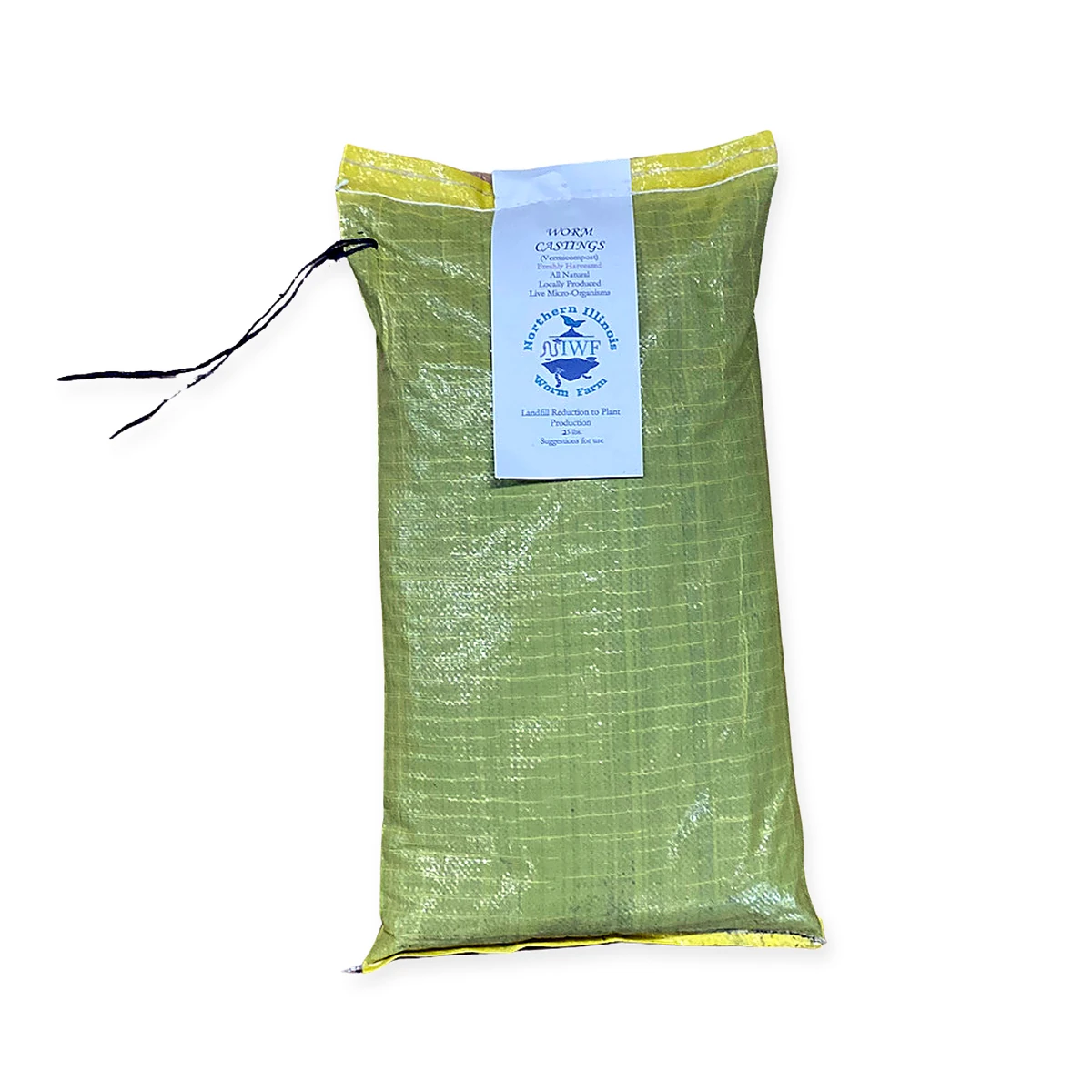
Shop worm castings for Utah
These are the bag sizes on the site today. Prices come from the store, and shipping is included.
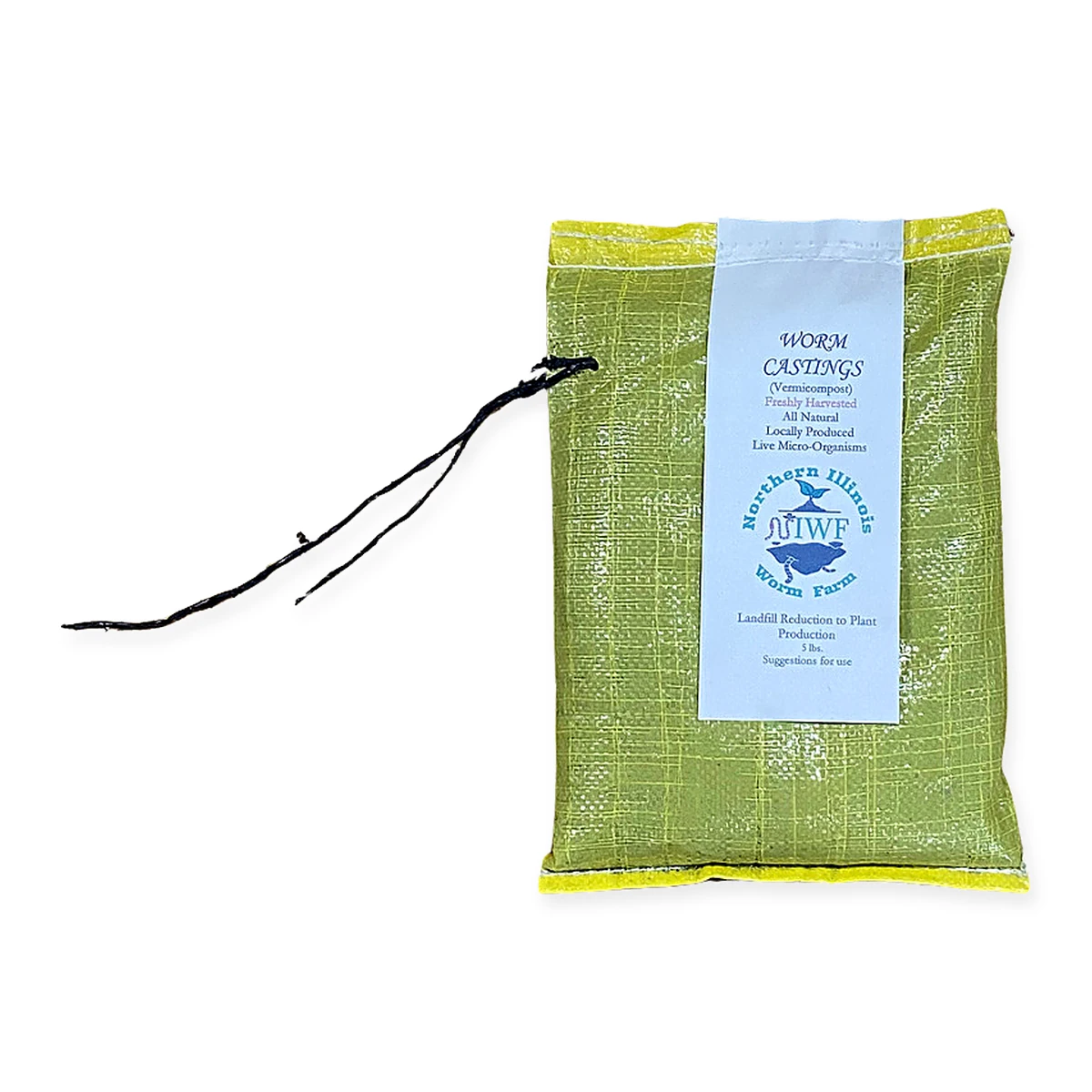
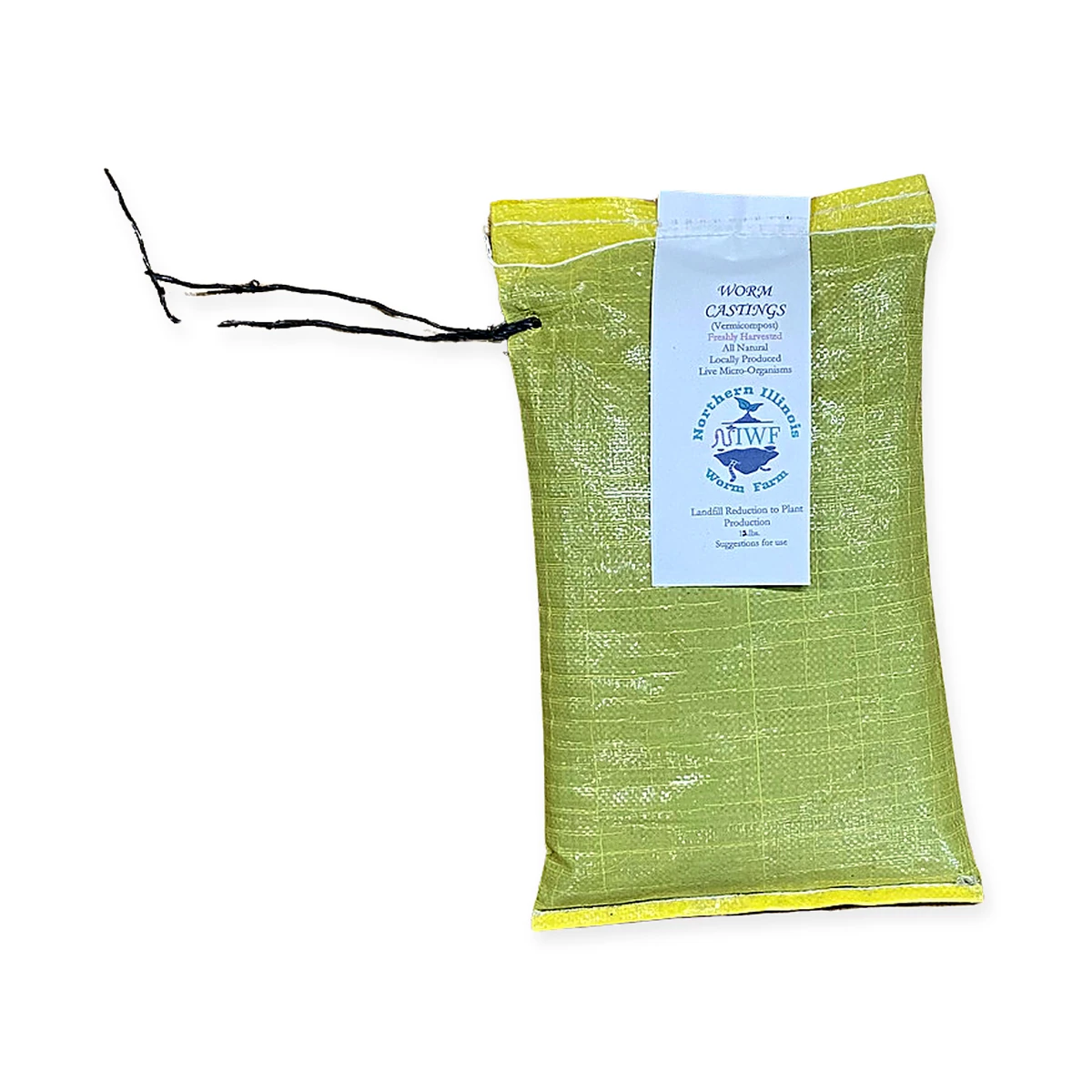
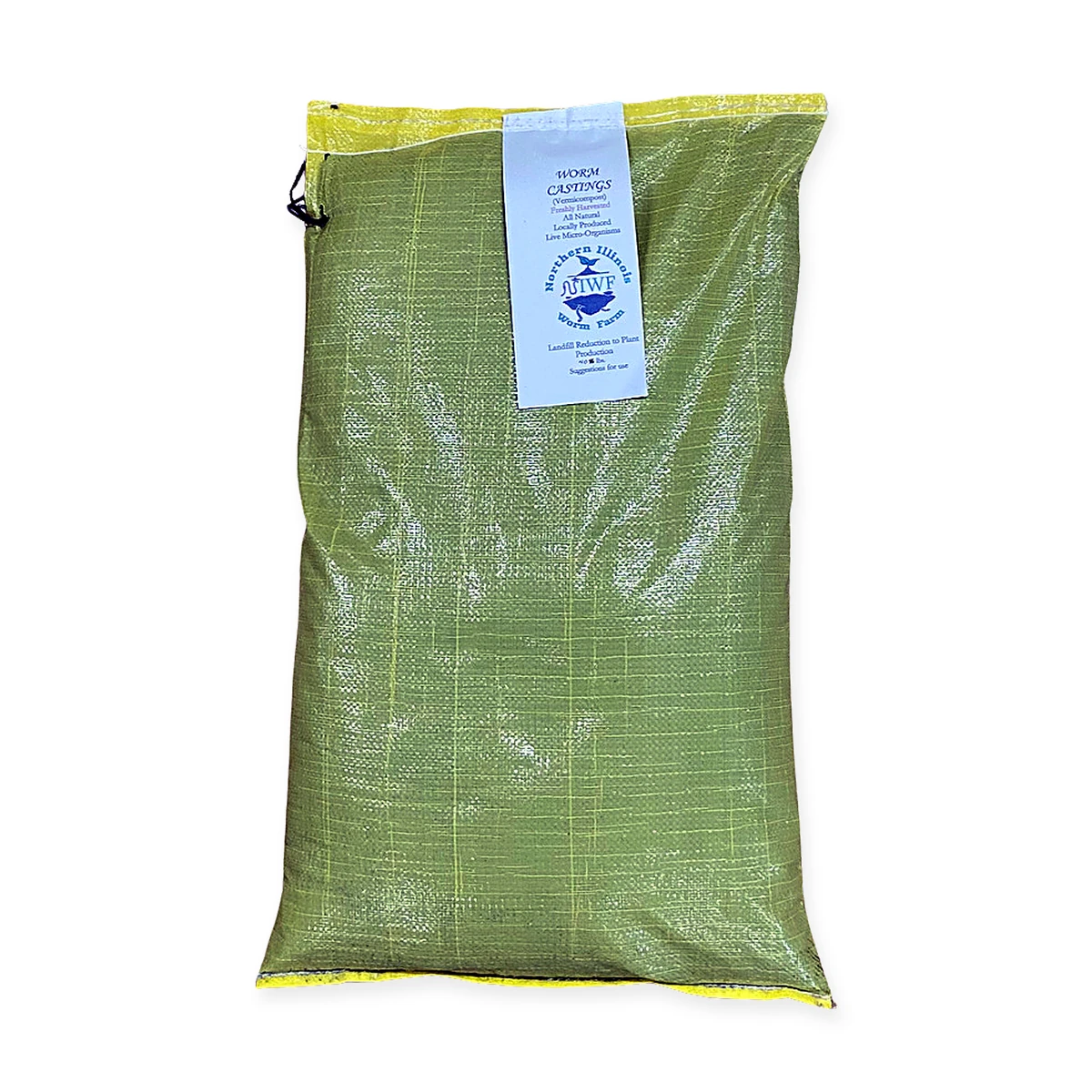
The largest bag for a bigger garden or a full season of beds.
Dry climate and alkaline soil along Utah’s Wasatch Front
Utah State University Extension describes native Utah soils as relatively low in organic matter. Along the Wasatch Front, soils average about 1.5% organic matter, while wetter regions often reach 4–5%. Average soil pH near 8.0 makes some micronutrients less available, and iron chlorosis is a common landscape complaint on susceptible plants.
Salinity also builds easily in Utah gardens. USU Extension notes that keeping salinity below about 2 dS/m is ideal for most garden plants, and that organic matter works best when added steadily rather than in one heavy dump. Annual additions of low-salt organic matter improve structure, moisture retention, and workability over several seasons.
Wasatch Front neighborhoods often have longer growing seasons than high mountain valleys in counties such as Summit, Wasatch, Rich, and Morgan. Plant choices and hardiness need to match your elevation and USDA zone. Water remains limiting statewide, so group plants by irrigation need and avoid treating every bed like a thirsty lawn strip.
USU water-wise guidance stresses soil preparation, mulch, and hydrozones. Vegetable beds and fruiting crops usually sit in higher-water zones, while adapted shrubs and ornamental plantings can use less. Improving soil first helps each drop of irrigation stay available to roots instead of running off compacted clay or baking out of sandy fills.
USU Extension reports Wasatch Front soils average about 1.5% organic matter and Utah soils average about pH 8.0, conditions that limit some nutrient availability and make annual organic amendments especially useful.
USU Extension advises incorporating about 1–2 inches of organic matter annually, noting that one inch helps prevent net loss while about two inches of low-salt organic matter helps build soil over time.
USU Extension water-wise landscaping materials recommend grouping plants into hydrozones by water need, preparing soil before planting, and using mulch to hold moisture in Utah’s dry climate.
Why gardeners use worm castings
Utah gardens often start with alkaline mineral soil that sheds water or stays hard when organic matter is scarce. Worm castings add a finished organic amendment that supports aggregation, aeration, and moisture holding when organic matter is added steadily over several seasons.
Because salinity and nutrient buildup are real Utah risks with some manures and composts, castings fit a measured approach: improve soil a little each season, irrigate thoughtfully, mulch beds, and let structure improve year by year rather than chasing a one-time fix.
How to use worm castings in Utah
Raised beds
Mix castings into raised-bed soil when you refresh tomatoes, peppers, herbs, or salad greens for the Wasatch season. A 12 lb bag covers one bed; use 20 lb when several beds need the same spring or fall refresh.
Vegetable gardens
Work castings into in-ground plots where Utah’s low organic matter and irrigation dependence make soil structure critical. Pair the amendment with mulch so watered rows of tomatoes, peppers, herbs, and greens hold moisture longer between cycles.
Transplants
When setting out warm-season transplants after frost risk passes in your valley, blend castings into the planting hole. The organic matter helps new roots explore alkaline soils that can otherwise crust or compact.
Houseplants
Indoor plants in dry Utah homes benefit from occasional top dressing from a 5 lb bag. Water lightly afterward so castings move into the mix without leaving a dry crust on the surface.
Containers
Patio pots heat and dry quickly along the Front. Mix castings into container media at planting for peppers, herbs, and compact tomatoes, then top-dress when you refresh summer plantings.
Lawns
After aeration on practical turf areas, apply a thin castings layer and water it in. USU notes turf is often over-irrigated in Utah; better soil helps grass use the water you do apply more effectively without expanding lawn where hardscape or low-water plantings would serve better.
Worm castings shipped to Utah
Northern Illinois Worm Farm ships worm castings Utah customers order online from our Dover, Illinois farm. Bags are packed in Illinois and delivered to your Utah address. We do not maintain a Utah store, farm site, warehouse, or pickup counter.
Bag options are 5 lb for houseplants and patio pots, 12 lb for one raised bed, 20 lb for a few beds, and 40 lb for a larger garden. Shipping is included. Transit time varies by carrier, so we avoid promising a specific number of days.
Made at the farm in Dover, Illinois
Our family-run farm in Dover, Illinois screens worm castings and packs each order as it comes in. Utah gardeners receive the same careful packing we use for customers elsewhere in the country.
We sell castings as a soil amendment and plant food for dry, alkaline western soils. Every bag is packed in Dover, Illinois and shipped to your Utah address.
Read about the farmRelated worm castings guides
Worm castings questions for Utah
Are these worm castings produced in Utah?
No. Northern Illinois Worm Farm produces and packs castings in Dover, Illinois, then ships them to Utah. Ordering online does not mean there is a Utah warehouse, store, or farm site, and it does not mean the castings are manufactured in the state.
Will castings fix alkaline Utah soil by themselves?
Castings add organic matter that improves structure and moisture holding, which USU Extension emphasizes for Utah soils. They are not a guaranteed cure for high pH or iron chlorosis. Choose plants suited to alkaline conditions, test soil when you need nutrient guidance, and build organic matter gradually.
How should I choose a bag size for a Wasatch Front garden?
Use 5 lb for houseplants and patio pots, 12 lb for one raised bed, 20 lb when several beds need amending, and 40 lb for a larger garden. Match the bag to the area you will refresh this season rather than stockpiling more than you can incorporate.
Do you include shipping to Utah?
Yes. Shipping is included on casting bags shipped from Dover, Illinois to Utah addresses along the Wasatch Front and elsewhere in the state. We do not promise a fixed delivery window because carrier schedules change with distance, weather, and season.
How do castings fit a water-wise plan?
Healthier soil holds irrigation longer, which supports USU advice to prepare soil, mulch, and group plants by water need. Castings help that soil-building step. They do not remove the need to irrigate vegetables or to keep high-water plants in their own hydrozone.
Ready to order?
Pick a bag above. Checkout uses the same cart as the rest of the site.
Local growing notes come from public extension and climate references. They describe typical conditions, not a promise about your soil.