Worm Castings for Vermont Gardens
Search worm castings vermont gardeners order when winter is long, spring arrives late, and beds must earn every warm week. Northern Illinois Worm Farm packs screened castings in Dover, Illinois and includes shipping on Vermont orders. You are buying a soil amendment for Vermont gardens. We ship from Illinois and do not run a shop or farm inside the state.
University of Vermont Extension notes that lower hardiness zones usually mean colder winters and shorter seasons because ground warms slowly. Mountain towns differ from lake-buffered valleys, so frost dates are local. Size your order honestly: 5 lb for houseplants and patio pots, 12 lb for one raised bed, 20 lb for a few beds, or 40 lb for a larger garden.
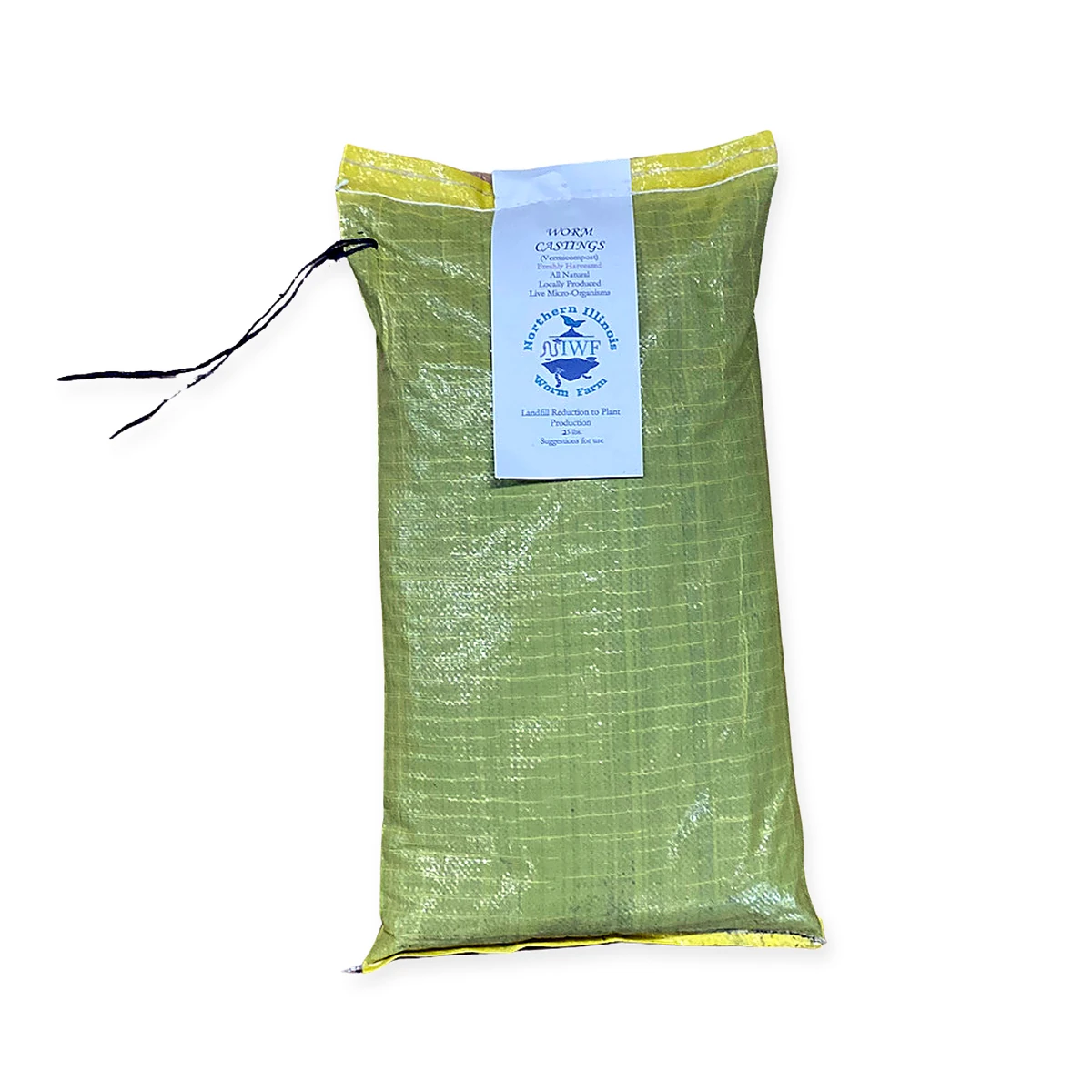
Shop worm castings for Vermont
These are the bag sizes on the site today. Prices come from the store, and shipping is included.
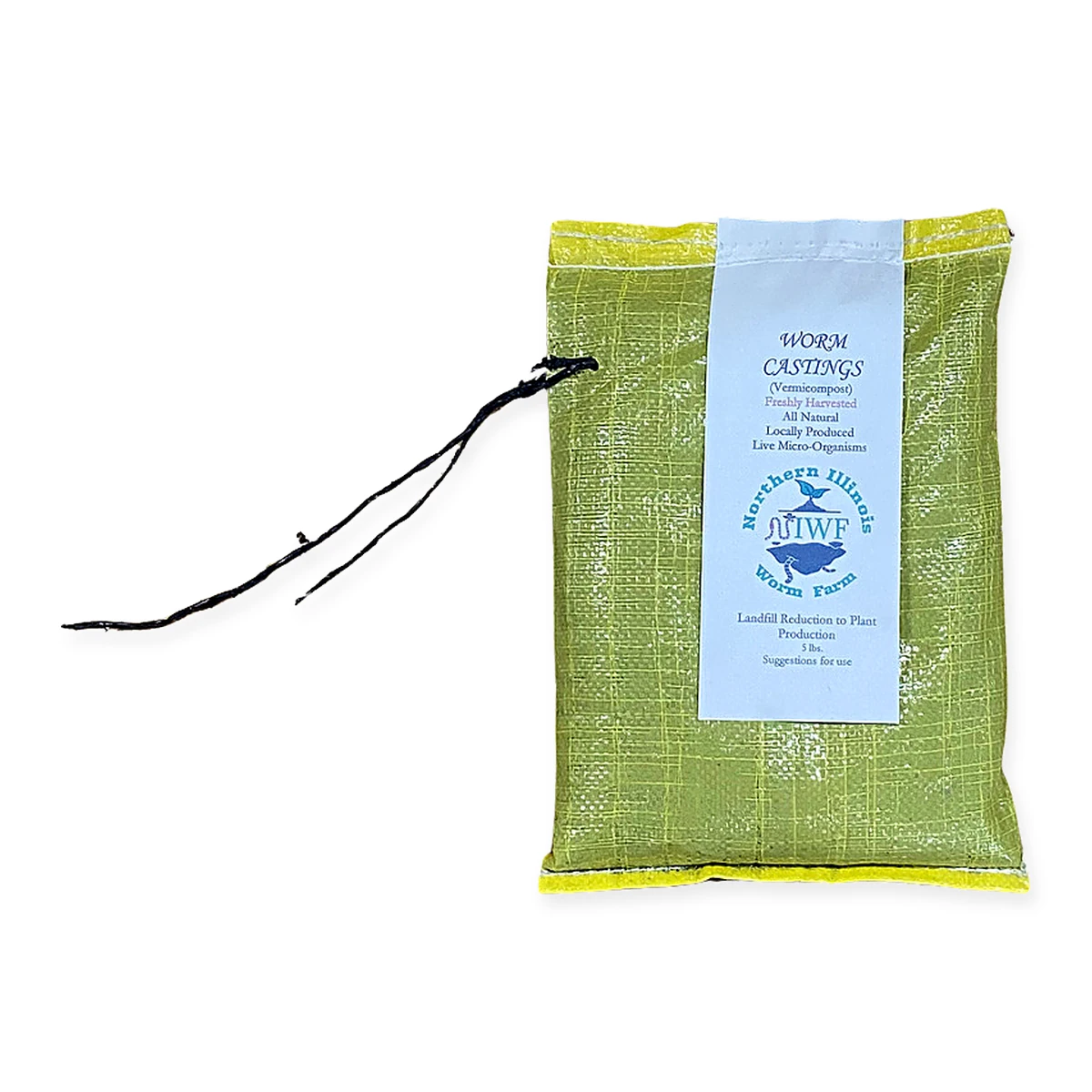
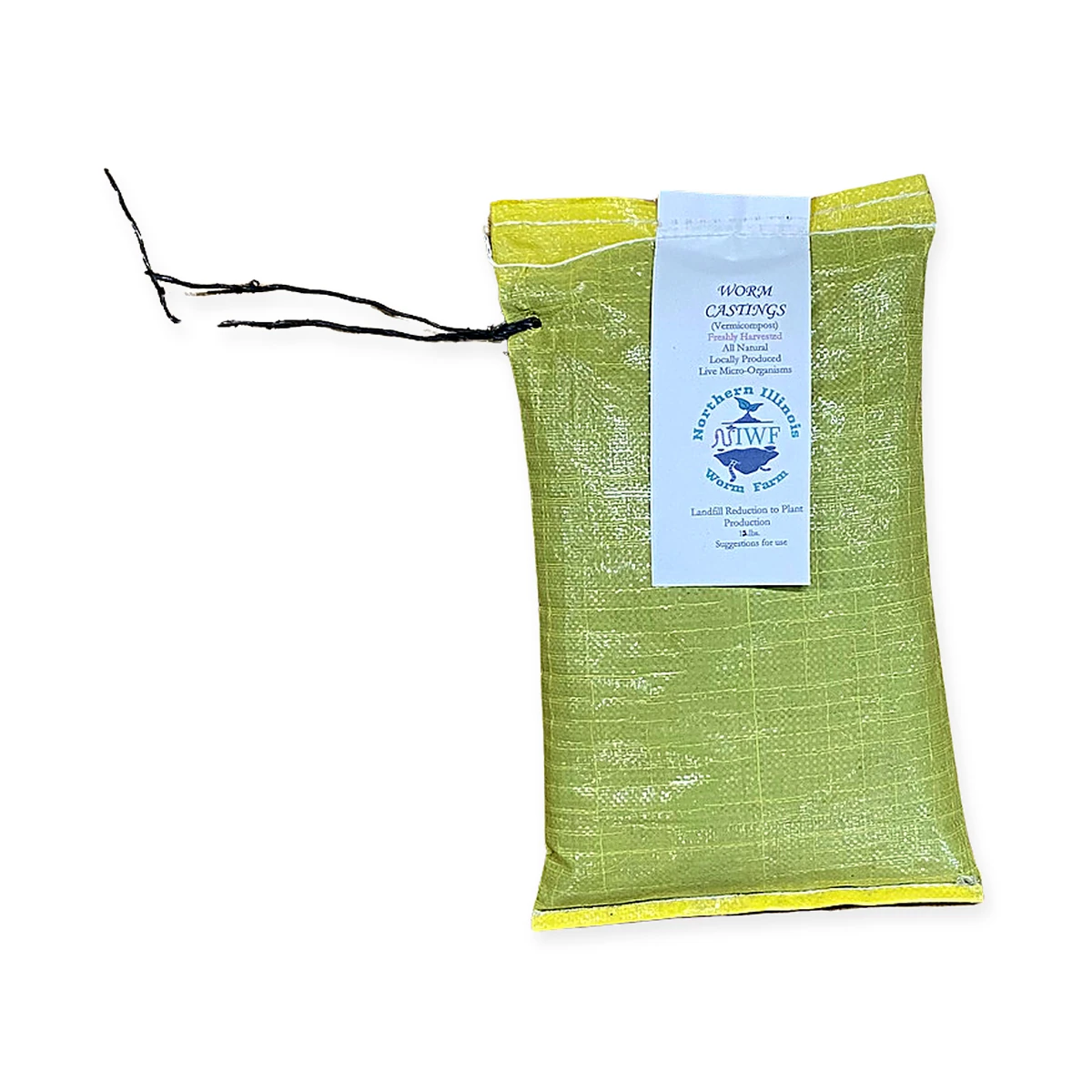
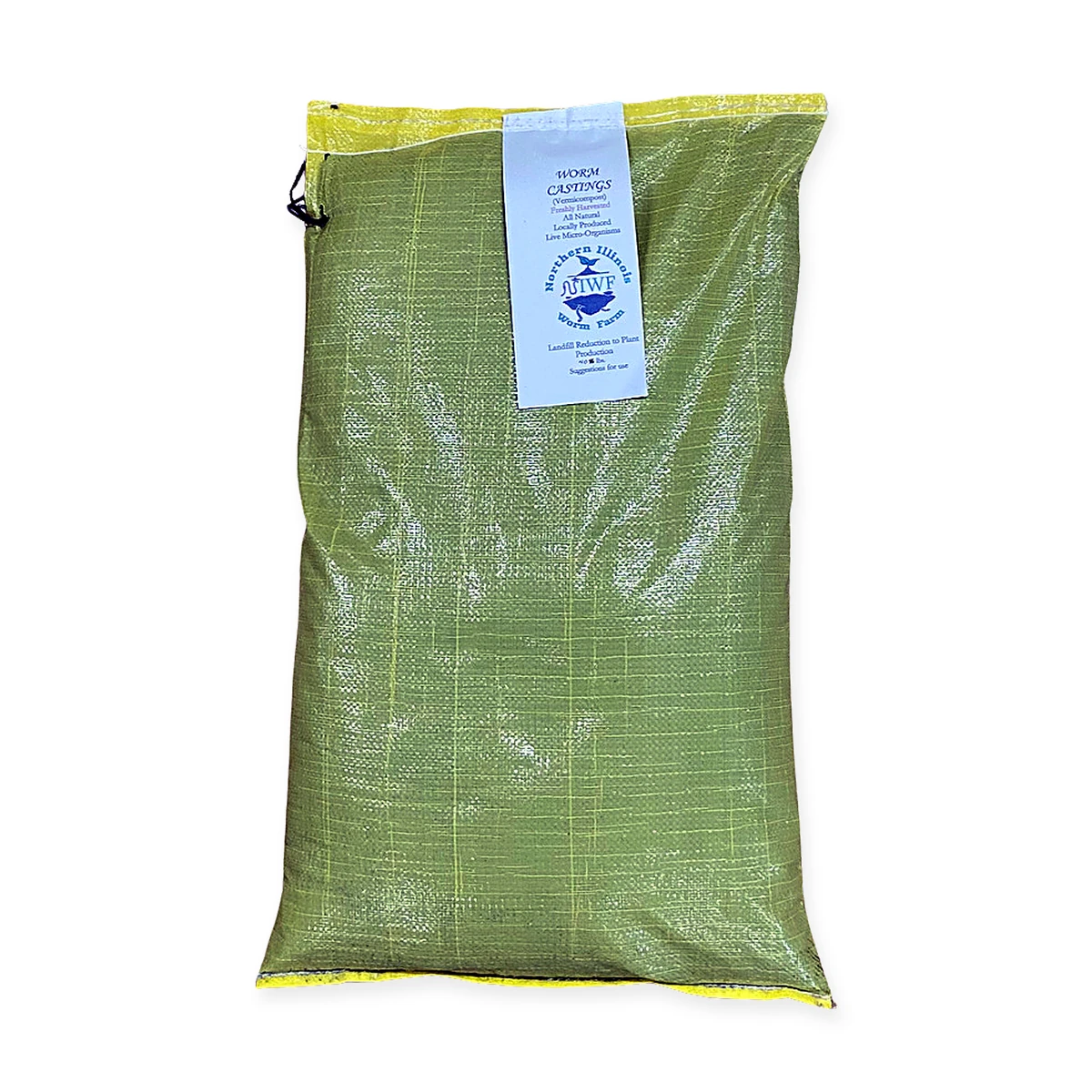
The largest bag for a bigger garden or a full season of beds.
Cold winters, short seasons, and Vermont garden soil
Vermont spans several USDA plant hardiness zones, and UVM Extension writers point out that zone number shapes both winter survival and how quickly soil becomes plantable. Higher elevations and inland hollows stay colder longer than sites near Lake Champlain. That variation is why frost dates and days-to-maturity on seed packets matter as much as fertilizer talk.
Vegetable gardens here succeed when gardeners match crops to the real season on their hill or valley. Extension guidance highlights fast crops such as radishes and cut-and-come-again lettuce for quick harvests, plus determinate tomatoes when space and time are tight. Cool greens keep producing in cooler zones even as summer heat arrives elsewhere.
Soil is still the foundation. UVM Extension urges a soil test before the new season so pH and fertility can be adjusted with time to spare. A pH near 6 to 7 suits most crops; very acid ground can lock nutrients away. Cover crops and mulch protect bare beds through freeze–thaw cycles that loosen soil but also invite erosion on slopes.
Raised beds, containers, and microclimates near rocks or buildings help Vermont gardeners create warmer pockets. Extension starter materials suggest beds with a soil and compost mix that holds nutrients and water, and they remind growers that vegetables need roughly six to eight hours of sun. Castings belong in that organic fraction—measured, mixed, and paired with a test rather than poured on frozen ground.
UVM Extension lists Vermont hardiness zones from 3b through 5b. Lower zones typically bring colder winters and shorter growing seasons. Mountain towns may sit cooler than southern valleys even within the same county map.
Fall or early-season soil tests from UVM’s lab report pH, nutrients, and organic matter. Extension articles recommend addressing acidic soil with the correct lime type and rate. Castings complement that work; they do not replace it.
Mulch and cover crops help hold soil when beds sit empty through cold months. On hillsides, protecting bare ground matters for both nutrients and structure. Amend in workable weather, not on ice or mud.
Why gardeners use worm castings
Vermont growers often farm small clearings, hillside plots, or community raised beds where every cubic foot of mix counts. Organic matter improves tilth for carrots and greens that dislike crusted surfaces. Screened worm castings from Northern Illinois Worm Farm slot into those tight spaces when you want a fine, ready-to-mix amendment.
Because shipping is included from Dover, Illinois, you can order ahead of mud season and have bags ready when soil finally warms. Choose the bag that matches beds you will plant this year. A short season does not reward unused product stacked in a shed.
How to use worm castings in Vermont
Raised beds
One raised bed usually aligns with a 12 lb bag for a spring refresh. Mix castings into the top of your soil–compost blend after frost leaves and drainage looks sound. Side-dress heavy feeders later from what remains.
Vegetable gardens
In-ground Vermont plots on hills need organic matter that resists washing and compaction. Work castings in when soil crumbles rather than smears. Keep paths mulched so traffic does not seal wet ground between rows.
Transplants
Indoor-started tomatoes, peppers, and brassicas carry much of a short-season garden. Blend a little casting into each transplant hole, water well, and harden plants gradually. Cold nights still call for covers when forecasts turn sharp.
Houseplants
Long winters move gardening indoors. The 5 lb bag covers houseplant top dressings and repotting. Use sparingly so pots drain; Vermont homes swing from dry heat to cool rooms.
Containers
Porch pots create microclimates and extend greens or herbs when garden soil stays cold. Castings in container mix help hold moisture on windy ridges. Water consistently once plants are set out for the season.
Lawns
Thin lawn patches after winter can take a light casting top dress with seed. Vermont phosphorus rules for turf emphasize testing before adding P fertilizers. Castings are an organic dressing, not a bypass around that guidance.
Worm castings shipped to Vermont
We ship worm castings to Vermont from Northern Illinois Worm Farm in Dover, Illinois with shipping included. Select 5, 12, 20, or 40 lb bags for houseplants, one bed, a few beds, or a larger garden. There is no Vermont farm pickup for these orders.
Mountain weather and carrier networks affect transit. We do not guarantee a delivery day on the calendar. Order with lead time before your last-frost window so bags arrive while you are still planning, not after transplants are already waiting.
Made at the farm in Dover, Illinois
Northern Illinois Worm Farm produces and screens castings in Dover, Illinois. Vermont customers receive shipped bags produced and screened at that Illinois farm.
University of Vermont Extension has hardiness-zone guidance, soil-test advice, and first-garden basics for place-specific timing. Our castings are the amendment that arrives with your order.
Read about the farmRelated worm castings guides
Worm castings questions for Vermont
Is Northern Illinois Worm Farm located in Vermont?
The farm sits in Dover, Illinois, not in Vermont. We ship worm castings to Vermont addresses and include shipping on the order total. There is no Vermont retail counter, warehouse, or on-farm pickup tied to this online purchase from our Illinois operation.
Which size should I buy for a hillside raised bed?
Plan on about 12 lb for one raised bed, 20 lb for a few beds, and 40 lb for a larger garden. Houseplants and patio pots fit the 5 lb bag. Hillside beds still need the same honest sizing; slope does not change bag math.
Do castings replace a UVM soil test?
Keep the soil test. Extension articles treat testing as the way to learn pH, nutrients, and organic matter before liming or fertilizing. Castings add organic matter and gentle nutrition afterward. Follow the lab sheet for lime amounts and nutrient rates on your beds.
Can castings help in a short Vermont season?
They support soil conditions for roots while you choose early varieties and use season-extension habits that fit Vermont. Castings do not add frost-free days on their own. Pair them with realistic crop choices for your hardiness zone, elevation, and average first frost.
Is shipping included, and when will bags arrive?
Shipping is included from Dover, Illinois to Vermont addresses. Arrival depends on the carrier and weather along the route, so we do not promise a specific delivery day. Order early relative to your local last-frost estimate and transplant date.
Ready to order?
Pick a bag above. Checkout uses the same cart as the rest of the site.
Local growing notes come from public extension and climate references. They describe typical conditions, not a promise about your soil.